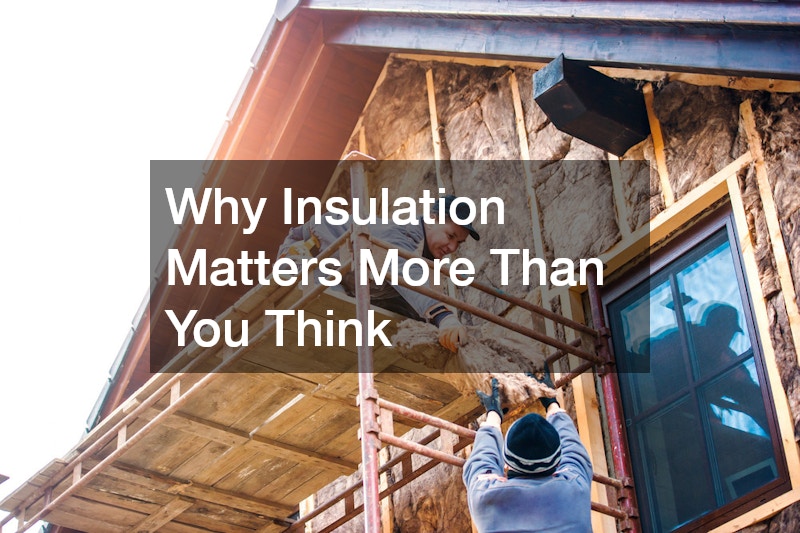
Explore the often-overlooked benefits and importance of home insulation, as it plays a critical role in energy efficiency, indoor comfort, and environmental impact. While many homeowners focus on visible elements such as windows and doors, your local insulation company will mention how the unseen foundation affects your home’s performance. Understanding the multifunctional role of insulation can lead to better decisions during home improvements and renovations.
This comprehensive look into insulation will reveal its impact on energy consumption, environmental health, and the comfort of your living spaces. Let’s dive into how insulation transforms your home beyond just being a barrier between the indoors and outdoors.
How Does Insulation Impact Energy Efficiency?
Understanding Thermal Performance
Thermal performance of a building involves the ability of its structure to maintain energy balance by minimizing heat loss or gain. Insulation is a key player in achieving optimal thermal performance by providing resistance to heat flow. This resistance is quantified by the R-value of the insulation material, with higher values indicating better insulating effectiveness. Properly insulated homes benefit from reduced reliance on heating and cooling systems, as the interior maintains its temperature more consistently. This means less energy consumption and ultimately lower utility bills for homeowners.
Moreover, thermal performance is closely tied to the sustainability goals of modern architecture. In an era where energy conservation is paramount, insulation acts as a fundamental component to meet energy efficiency standards. It offers a cost-effective solution to combat energy wastage, a concern heightened by the global effort to reduce carbon emissions. By investing in proper insulation, property owners contribute significantly to energy conservation, supporting both personal and ecological priorities. Hence, insulation is a wise addition to any energy-conscious residence.
The Role of Insulation in Reducing Heating and Cooling Costs
Insulation significantly reduces heating and cooling costs by minimizing energy loss, which accounts for a substantial portion of a household’s energy bills. When a building is inadequately insulated, air escapes through seams and gaps, forcing heating, ventilation, and air conditioning (HVAC) systems to work overtime. This results in higher energy consumption and increased costs that could otherwise be redirected towards more productive ventures. Strategic insulation placement in specific areas such as attics, walls, and basements maximizes energy retention, fostering a more balanced indoor climate.
The efficacy of insulation in reducing costs isn’t hypothetical; data indicates that insulation can save homeowners about 15% on heating and cooling expenses. This translates to significant annual savings, and for new homebuyers, plays a pivotal role in total cost of ownership considerations. Furthermore, many governments offer tax incentives for insulation improvements, underscoring its financial viability. Planning for efficient insulation becomes a lucrative investment, turning future expenses into present-day savings and providing a shield against fluctuating energy prices.
What Are the Environmental Benefits of Proper Insulation?
Reducing Carbon Footprint through Insulation
Proper insulation leads to a marked reduction in carbon footprints by minimizing the energy needed for maintaining comfortable indoor environments. This reduction is essential as buildings account for a significant percentage of total carbon emissions worldwide. By insulating efficiently, homeowners play a direct role in cutting down greenhouse gas emissions. Sustainable insulation materials such as recycled fiberglass or cellulose further enhance this advantage, promoting eco-friendly living standards. Emphasizing insulation during construction or retrofitting can transform residential sectors into pioneers of carbon reduction initiatives.
The impact of reduced carbon emissions from improved insulation goes beyond individual homes, sparking broader ecological benefits. Less fuel burned for energy translates to better air quality and fewer pollutants entering the atmosphere. The cumulative effect of insulated homes significantly cuts down on reliance on non-renewable energy sources. These eco-wins only reinforce the broader narrative of environmental stewardship that sustainable living embodies. Simple acts, like home insulation, can lead to amplified results in communal ecological health, supporting green initiatives and policies.
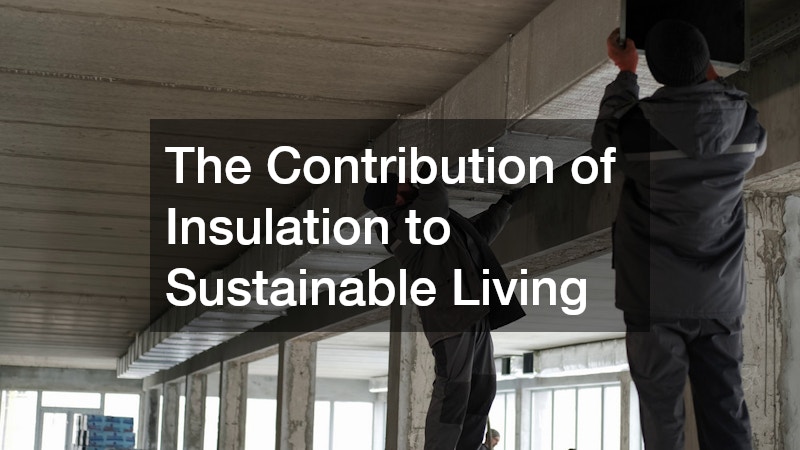
The Contribution of Insulation to Sustainable Living
Sustainable living requires an integration of eco-centered practices that reduce one’s ecological footprint while enhancing lifestyle quality. Insulation contributes significantly towards this goal by facilitating energy efficiency and reducing resource consumption. In societies where renewable energy integration is prevalent, proper insulation ensures these systems operate at maximum efficiency, multiplying their benefits. Moreover, the adoption of natural and recycled materials for insulation aligns with the ethos of minimizing environmental impact during production and installation. Each step forward with insulation supports a sustainable lifecycle, extending its benefits beyond perceptible boundaries. Insulated homes stand as a testament to responsible lifestyle choices, promoting an ecological mindset within communities. The commitment to sustainability displayed through insulation adoption often inspires adjacent householders and neighborhoods to follow suit.
Furthermore, the operational advantages of insulation play their part in preserving ecological landscapes. With reduced energy needs, local infrastructural demands lessen, sparing land from relentless expansion. The cascading effects of comprehensive insulation prioritize ecological balance while thoughtfully addressing future demands of our living environments. Engaging with insulation as a core component of sustainability manifests durability beyond singular dwellings, establishing benchmarks for longevity in eco-development. Thus, insulation not only augments sustainable aspirations but grounds them with robust support.