A sink that keeps backing up is more than a minor inconvenience—it’s often a sign of an underlying plumbing issue that needs attention. Whether it’s in your kitchen or bathroom, recurring backups can disrupt daily routines, create unpleasant odors, and even lead to water damage if ignored. Understanding the root causes, knowing how to respond, and taking preventive measures can help you manage the problem effectively and avoid costly repairs.
Why is My Sink Backing Up?
Common Causes
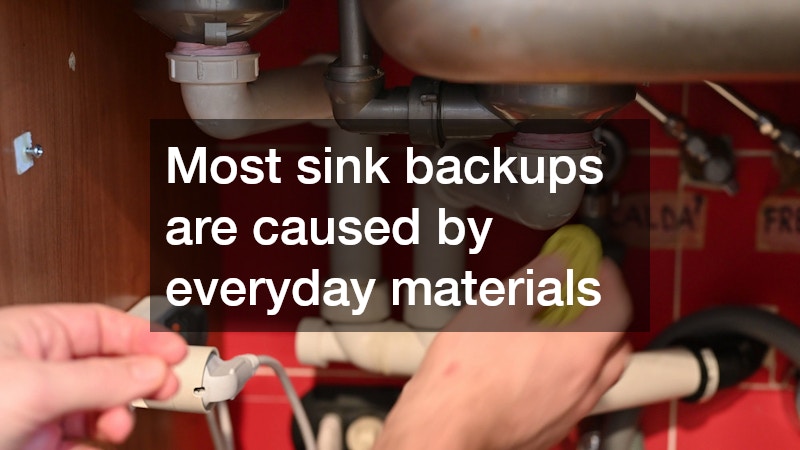
Most sink backups are caused by everyday materials that gradually accumulate in your pipes. In bathroom sinks, hair and soap residue are the primary culprits.
These substances cling to pipe walls, forming stubborn clogs over time. In kitchen sinks, grease, oil, and food particles are the biggest offenders. While grease may go down the drain as a liquid, it solidifies as it cools, trapping debris and restricting water flow.
Other common causes include mineral buildup from hard water, small foreign objects accidentally washed down the drain, and even tree root intrusion in more severe cases involving underground pipes.
Identifying the Type of Clog
Not all clogs are created equal. A surface-level clog typically occurs close to the drain opening and is often easy to fix with basic tools. You might notice water draining slowly or pooling briefly before clearing.
More serious clogs, however, occur deeper within the plumbing system—sometimes in the main sewer line. These tend to affect multiple fixtures in your home. For example, if your sink backs up when you run the dishwasher or if you hear gurgling noises from nearby drains, the issue may extend beyond a simple blockage. Identifying the type of clog helps determine whether a quick fix will suffice or if more advanced intervention is required.
Warning Signs
Your plumbing system often provides early warning signs before a full backup occurs. Slow drainage is one of the most common indicators, suggesting a partial blockage that’s worsening over time. Foul odors are another red flag, usually caused by decomposing organic matter trapped in the pipes.
You might also notice bubbling or gurgling sounds when water drains, which can signal trapped air caused by a clog. Ignoring these signs can lead to a complete blockage, resulting in standing water and potential overflow.
How Can I Fix a Backed-Up Sink?
DIY Methods
For minor clogs, several do-it-yourself methods can be effective. A plunger is often the first line of defense. By creating suction, it can dislodge blockages near the surface. Be sure to cover any overflow openings to maximize pressure.
Another popular method involves using a mixture of baking soda and vinegar. Pour baking soda down the drain, followed by vinegar, and let the chemical reaction break down debris. After about 15 minutes, flush the drain with hot water.
A plumber’s snake, or drain auger, is useful for reaching deeper clogs. This flexible tool can navigate through pipes to break apart or retrieve blockages that a plunger can’t handle.
Tools and Equipment Needed
Having the right tools on hand makes addressing sink backups much easier. A standard plunger is essential for basic clogs, while a plumber’s snake provides additional reach for more stubborn blockages. Pipe wrenches can help you disassemble sections of plumbing, such as the P-trap, for manual cleaning.
Drain cleaners are also available, though they should be used cautiously. Chemical cleaners can be effective but may damage pipes if overused. Enzyme-based cleaners offer a safer alternative by breaking down organic material without harsh chemicals.
A bucket, gloves, and old towels are also practical items to have nearby when working on plumbing issues, as they help manage spills and maintain cleanliness.
When to Call a Professional
If DIY methods fail to resolve the issue, it may be time to bring in a professional plumber. Persistent clogs, recurring backups, or problems affecting multiple drains often indicate a deeper issue within your plumbing system.
Professionals have access to advanced tools such as hydro-jetting equipment and video inspection cameras, which allow them to diagnose and resolve problems efficiently. In many cases, specialized rooter services are used to clear stubborn blockages deep within pipes or sewer lines, restoring proper flow and preventing further complications. Seeking expert help early can save you time, stress, and potential damage to your home.
How to Prevent Future Backups
Regular Maintenance Tips
Preventive maintenance is key to keeping your drains running smoothly. Regularly flushing your sink with hot water can help dissolve grease and wash away minor buildup. Periodically cleaning the P-trap and using enzyme-based cleaners can also reduce the risk of clogs forming over time.
It’s a good idea to inspect your plumbing system occasionally for leaks or slow drainage, as catching issues early can prevent larger problems down the line.
Proper Waste Disposal
One of the most effective ways to prevent sink backups is to be mindful of what goes down the drain. Avoid pouring grease, oil, or fat into your sink, as these substances are a leading cause of clogs. Instead, dispose of them in a sealed container in the trash.
Food scraps, coffee grounds, eggshells, and fibrous vegetables should also be kept out of the drain, even if you have a garbage disposal. In bathroom sinks, minimize hair and soap residue entering the pipes by cleaning stoppers regularly.
Installing Helpful Devices
Installing simple devices can make a significant difference in preventing clogs. Sink strainers are inexpensive and highly effective at catching debris before it enters the drain. They’re especially useful in kitchens and bathrooms where buildup occurs frequently.
Garbage disposals can also help manage food waste, but they should be used properly and not treated as a catch-all solution. Regular maintenance of these devices ensures they function efficiently and don’t contribute to plumbing issues.
A backed-up sink is a common household problem, but it doesn’t have to become a major disruption. By understanding the causes, recognizing early warning signs, and using the right tools and techniques, you can address most issues before they escalate. Preventive habits, such as proper waste disposal and routine maintenance, go a long way in keeping your plumbing system in good condition. When problems persist or become more complex, seeking professional assistance ensures the issue is resolved thoroughly and safely.