Creating a home that supports comfort, safety, and independence over time requires thoughtful planning. Many homeowners reach a point where moving feels unnecessary, yet their current space no longer meets their evolving needs. That’s where aging-in-place upgrades come into focus.
This approach centers on adapting a home so it continues to work for you, even as mobility, vision, and daily routines change. The goal is not just to make adjustments but to create a space that feels natural, easy to navigate, and enjoyable to live in.
A well-planned upgrade looks beyond immediate concerns. It considers how small improvements today can prevent larger challenges later. With the right strategy, a home can remain a place of comfort and confidence for years to come.
Start with a Clear Vision for Long-Term Living
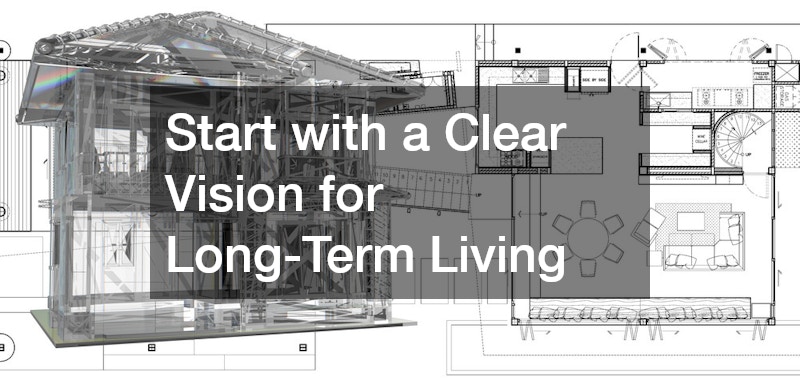
Before making any changes, it helps to think about how daily life may shift over the next 5, 10, or even 20 years. That perspective shapes better decisions from the beginning.
Consider how you currently use each space. Are there areas that already feel inconvenient? Narrow hallways, steep stairs, or hard-to-reach storage often become more noticeable over time. Planning ahead allows you to address these issues before they become obstacles.
Working with experienced home remodeling services can help translate long-term needs into practical design choices. They often identify solutions that homeowners may not initially consider, such as widening entryways or reworking floor layouts for smoother movement.
Some helpful questions to guide early planning include:
- Which rooms are used most often during the day?
- Are essential spaces located on one level?
- How easy is it to move between rooms?
- Are there areas that already feel unsafe or difficult?
Answering these questions builds a strong foundation for the rest of the project.
Focus on Accessibility Without Sacrificing Comfort
Accessibility doesn’t have to mean a clinical or institutional feel. A well-designed home blends function with comfort in a way that feels natural.
Start by identifying areas where movement may become more difficult over time. Entryways, staircases, and bathrooms are often the first places to evaluate. Solutions can range from subtle adjustments to more noticeable upgrades.
For multi-level homes, installing home elevators can provide a long-term solution that preserves independence. These systems are no longer limited to large properties. Many modern options are compact and designed to fit within existing layouts.
In kitchens, working with a kitchen contractor can help redesign the space for easier use. Lowered countertops, pull-out shelving, and better lighting all contribute to a more accessible environment without compromising style.
Simple changes can make a meaningful difference:
- Lever-style door handles instead of knobs
- Walk-in showers with minimal thresholds
- Slip-resistant flooring in high-traffic areas
- Improved lighting in hallways and stairwells
The goal is to create a space that supports ease of movement while still feeling like home.
Improve Safety in High-Risk Areas
Certain parts of a home naturally carry higher risks, especially as mobility changes. Addressing these areas early reduces the chance of accidents and builds confidence in daily routines.
Bathrooms are one of the most important spaces to evaluate. Wet surfaces, tight layouts, and limited support can create hazards. Installing grab bars, adding better lighting, and choosing non-slip materials can significantly improve safety.
Windows also play a role in both safety and comfort. Residential window tinting can reduce glare, improve visibility, and help regulate indoor temperatures. This makes it easier to move around during different times of the day without discomfort.
Exterior areas deserve attention as well. Uneven walkways, poor lighting, and slippery surfaces increase the risk of falls. Small upgrades, such as motion-sensor lights or textured pathways, can create a safer environment.
Key areas to review include:
- Bathroom flooring and fixtures
- Staircase stability and lighting
- Entryway accessibility
- Outdoor walkways and steps
Addressing these concerns early helps prevent larger issues later.
Plan for Reliable Climate Control
Comfort goes beyond layout and accessibility. A consistent indoor environment plays a major role in overall well-being.
Temperature fluctuations can become more noticeable with age, making reliable heating and cooling systems essential. Partnering with a trusted HVAC company helps maintain consistent airflow, proper humidity levels, and dependable performance throughout the year.
In colder regions, working with a dependable heating oil provider ensures that fuel supply remains steady during the winter months. This reduces the risk of unexpected disruptions when heating is needed most.
When evaluating climate systems, consider:
- How evenly temperatures are distributed throughout the home
- Whether older systems struggle to maintain consistency
- Opportunities to improve energy efficiency
- The reliability of current service providers
A comfortable home environment supports both health and peace of mind.
Upgrade the Kitchen for Daily Ease
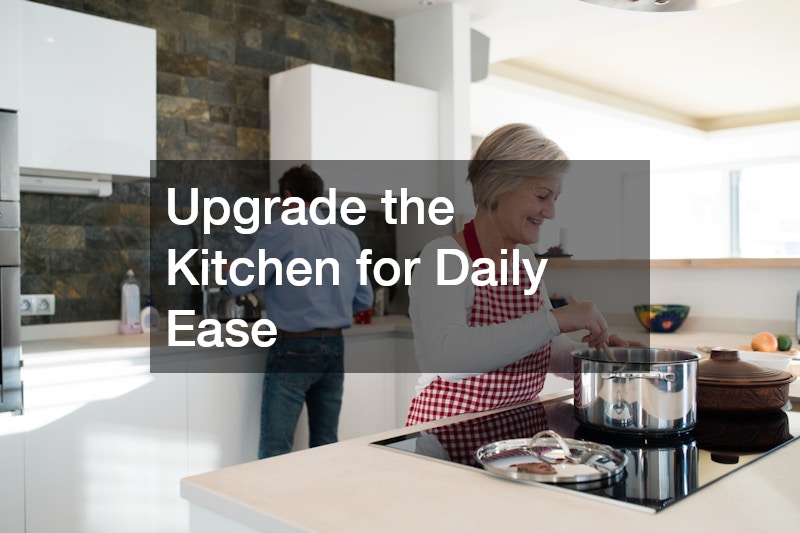
The kitchen often serves as the center of daily life. Making it easier to use can have a major impact on overall comfort.
Storage is one of the first areas to address. Deep cabinets and high shelves can become difficult to access. Pull-out drawers, lazy Susans, and lower shelving help keep essentials within reach.
For homeowners considering updates, granite countertop replacements offer both durability and ease of maintenance. Smooth, sturdy surfaces reduce the effort required for daily tasks while maintaining a clean, polished look.
Working with a skilled kitchen contractor can also improve layout efficiency. Adjusting counter heights, adding better lighting, and creating clear pathways all contribute to a more functional space.
Helpful upgrades include:
- Soft-close cabinets and drawers
- Easy-grip faucet handles
- Task lighting for food preparation areas
- Open space for easier movement
These changes support independence while keeping the kitchen enjoyable to use.
Strengthen the Home’s Exterior and Structure
Aging in place also means protecting the home itself. Structural integrity plays a direct role in safety and long-term comfort.
The roof is one of the most important elements to evaluate. A reliable roofing contractor can assess current conditions and recommend necessary repairs or upgrades. Addressing issues early prevents leaks, drafts, and costly damage.
In many cases, working with a residential roofing contractor provides a more specialized approach. They understand the specific needs of residential properties and can suggest materials that improve durability and energy efficiency.
Exterior maintenance should include:
- Inspecting roofing materials for wear
- Checking insulation and ventilation
- Sealing gaps around windows and doors
- Maintaining gutters and drainage systems
Keeping the home in strong condition supports a stable and comfortable living environment.
Another essential aspect of maintaining a home for aging in place is ensuring that the property remains accessible and safe. This includes evaluating the layout and making any necessary modifications, such as removing clutter, enhancing lighting, and installing grab bars in key areas like bathrooms and stairways. Additionally, adding ramps or making doorways wider can significantly improve mobility for those with limited physical abilities. By focusing on accessibility, homeowners can create an environment that not only meets their current needs but also adapts to future challenges, fostering independence and peace of mind.
Make Smart Energy Efficiency Improvements
Energy efficiency plays a key role in both comfort and long-term affordability. Small improvements can lead to noticeable savings over time.
Working with reputable home heating oil companies can help identify better fuel options or more efficient delivery systems. This ensures consistent performance while reducing unnecessary costs.
Insulation, window upgrades, and system maintenance all contribute to improved efficiency. Even minor adjustments, such as sealing air leaks, can make a difference.
Consider focusing on:
- Upgrading insulation in key areas
- Maintaining heating and cooling systems regularly
- Improving window performance
- Monitoring energy usage patterns
These steps help create a home that feels comfortable without excessive energy use.
Create Flexible Living Spaces
Flexibility is an important part of long-term planning. A space that works today should still function well as needs evolve.
Rooms can serve multiple purposes with thoughtful design. A guest room may later become a primary bedroom. A home office could transition into a caregiver space if needed.
Open layouts, wider doorways, and adaptable furniture all contribute to flexibility. These features allow the home to adjust without requiring major renovations later.
Ideas for adaptable spaces include:
- Convertible furniture for changing needs
- Open floor plans that allow easy movement
- Rooms designed for multiple uses
- Storage solutions that can evolve over time
Planning for flexibility helps reduce the need for future disruptions.
Improve Lighting for Visibility and Comfort
Lighting has a direct impact on safety and daily ease. As vision changes over time, dim or uneven lighting can make routine tasks more difficult.
Start by increasing overall brightness in commonly used areas. Kitchens, bathrooms, and hallways benefit from layered lighting that combines overhead fixtures with task lighting.
Natural light also plays an important role. Adjustments such as residential window tinting can help reduce glare while still allowing sunlight to brighten interior spaces. This creates a more comfortable environment throughout the day.
Additional improvements to consider:
- Motion-activated lights in hallways and bathrooms
- Under-cabinet lighting in kitchens
- Brighter bulbs in reading and task areas
- Clearly lit entryways and exterior paths
Better lighting supports confidence and reduces strain during everyday activities.
Simplify Storage and Organization
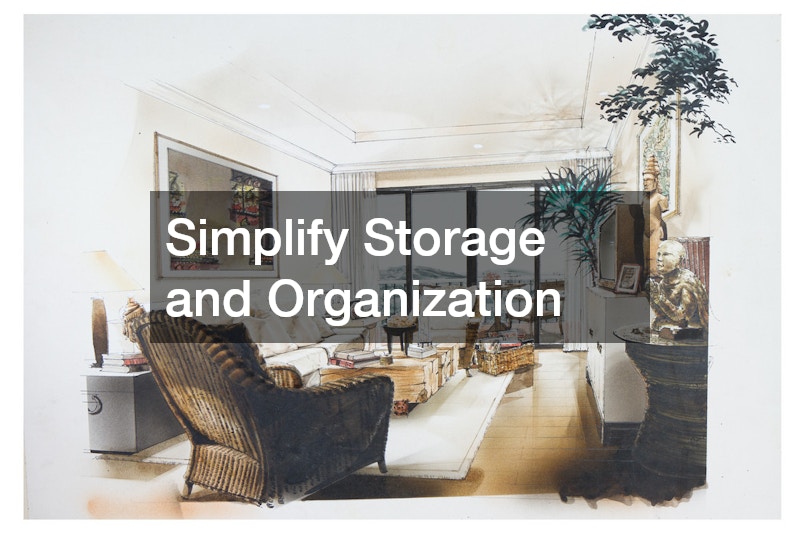
Clutter can quickly become a safety concern. Items that are hard to reach or poorly stored increase the risk of falls and frustration.
Focus on keeping frequently used items within easy reach. This reduces the need for bending, stretching, or climbing. Simple adjustments can make daily routines more manageable.
Working with home remodeling services can help redesign storage areas for better accessibility. Built-in solutions, pull-out shelves, and customized cabinetry improve organization without sacrificing space.
Helpful strategies include:
- Decluttering unused or rarely needed items
- Installing adjustable shelving
- Using labeled storage containers
- Keeping walkways clear of obstacles
A well-organized home supports both safety and peace of mind.
Plan for Future Technology Integration
Technology can add convenience and support independence when used thoughtfully. Planning for these features early makes future upgrades easier.
Smart home systems allow for remote control of lighting, temperature, and security. These tools reduce the need for physical effort and provide added reassurance.
When updating core systems, working with an experienced HVAC company can open the door to smart thermostats and automated climate controls. These systems help maintain comfort with minimal effort.
Other technology upgrades to consider:
- Voice-activated assistants for daily tasks
- Smart locks for easier entry and security
- Video doorbells for monitoring visitors
- Automated lighting schedules
Integrating technology gradually allows homeowners to adapt at their own pace while enjoying added convenience.
Build a Support System Around Your Home
A comfortable home is only part of the equation. Reliable support systems add another layer of confidence.
This includes working with trusted professionals who understand the home and its systems. From maintenance providers to service technicians, having dependable contacts makes it easier to address issues quickly.
Neighbors, family members, and local services can also play a role. Staying connected creates a sense of security and ensures help is available when needed.
Consider building a network that includes:
- Maintenance professionals for regular upkeep
- Emergency contacts for quick assistance
- Local services that support daily needs
- Family or friends who can check in when needed
A strong support system complements the physical upgrades made to the home.
Stay Proactive with Ongoing Maintenance
Planning a comfortable living environment doesn’t end once upgrades are complete. Ongoing maintenance keeps everything functioning as intended.
Regular inspections help identify small issues before they turn into larger problems. This applies to structural elements, mechanical systems, and everyday features throughout the home.
Creating a simple maintenance schedule can help stay organized. Tasks may include checking heating systems, inspecting roofing materials, and testing safety features.
Helpful habits include:
- Scheduling seasonal system checks
- Monitoring for signs of wear or damage
- Keeping walkways and entry points clear
- Updating features as needs change
Staying proactive supports long-term comfort and reliability.
Embracing Long-Term Comfort: A Foundation for Happiness and Well-Being at Home
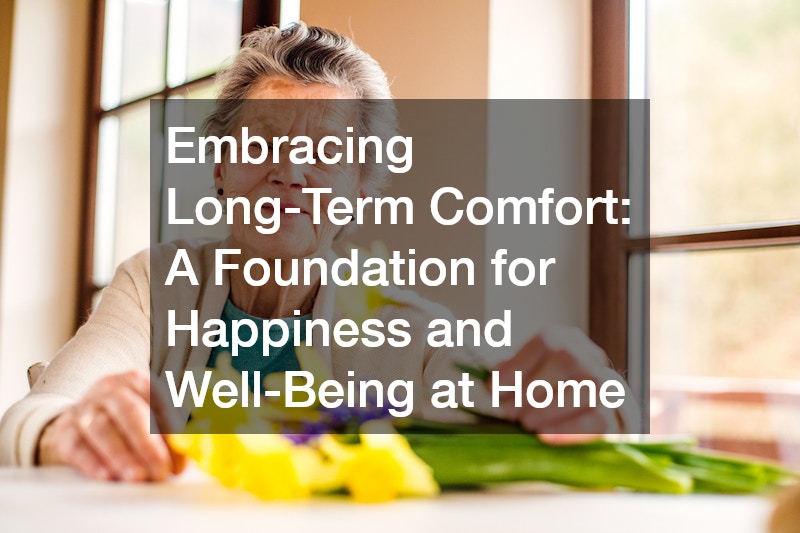
In conclusion, investing in long-term comfort at home is an empowering choice that enhances one’s quality of life. By making deliberate upgrades and adjustments, individuals can ensure that their living spaces evolve alongside their needs, fostering a sense of security and autonomy. Embracing this proactive approach not only promotes well-being but also enriches daily living, allowing each moment at home to be enjoyed to the fullest. Ultimately, a well-planned environment is a foundation for lasting happiness and peace of mind.