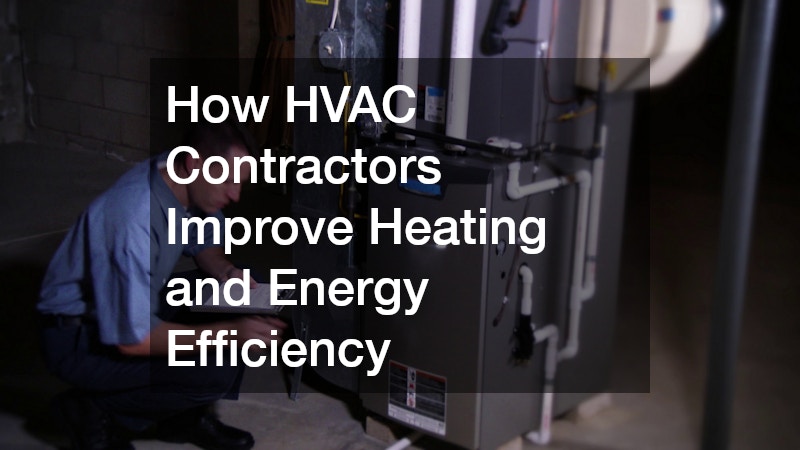
Creating a More Comfortable and Efficient Home
Keeping a home comfortable throughout the year requires more than simply adjusting the thermostat when temperatures change. Many homeowners deal with rising energy bills, uneven indoor temperatures, and equipment that never seems to perform as well as expected. In many cases, these issues develop gradually, making them easy to overlook until utility costs become difficult to manage or a major breakdown occurs.
Professional maintenance and strategic system upgrades can significantly improve comfort while reducing wasted energy. Modern residential systems are designed to operate more efficiently than ever, but they still require regular attention to deliver the best results. Small problems such as clogged filters, airflow restrictions, and worn components can quietly force equipment to work harder than necessary.
Working with experienced professionals helps homeowners identify inefficiencies before they become expensive problems. From inspecting airflow and insulation to recommending smarter upgrades, professionals can improve system performance in ways that lower energy consumption without sacrificing comfort. Homeowners who invest in preventive care and efficient equipment often enjoy better indoor air quality, more reliable temperature control, and lower monthly expenses over time.
Evaluate the Entire Home Before Making Improvements
One of the most effective ways to improve performance is to begin with a complete inspection of the home’s HVAC system. Many energy efficiency problems are caused by multiple small issues working together rather than one obvious malfunction. An aging thermostat, leaking ductwork, poor insulation, and dirty components can all contribute to higher utility bills and uneven comfort levels.
A professional energy audit helps identify where the home is losing efficiency. During this process, technicians evaluate airflow, insulation, duct condition, ventilation, and system performance. They may also inspect windows, doors, attic spaces, and crawl spaces to determine where conditioned air is escaping. These evaluations often reveal hidden inefficiencies homeowners would not notice on their own.
After identifying problem areas, professionals can prioritize the upgrades that will provide the greatest long-term savings. In some homes, sealing duct leaks may produce dramatic improvements. In others, replacing outdated equipment may be the more cost-effective option. Understanding where energy is being wasted allows homeowners to make informed decisions rather than guessing which improvements matter most.
A thorough inspection also helps homeowners avoid spending money on unnecessary repairs or upgrades. Instead of replacing functioning equipment too early, technicians can recommend targeted solutions that maximize performance while staying within budget. This strategic approach improves comfort while keeping improvement projects manageable.
Replace Aging Equipment Before It Fails Completely
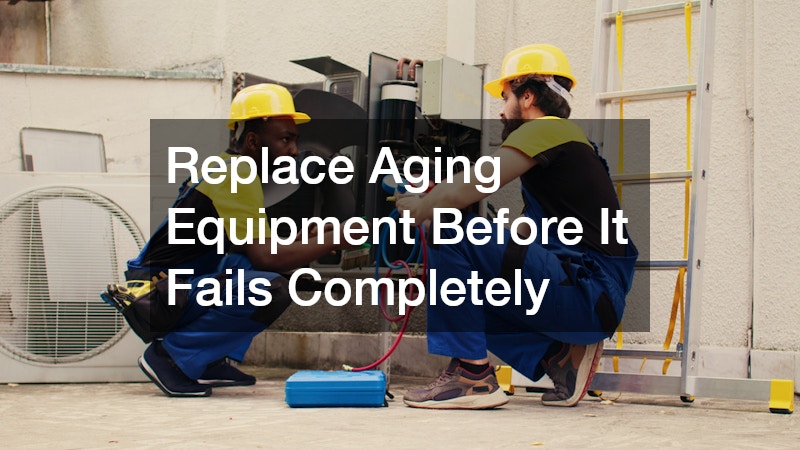
Older systems often consume more energy than homeowners realize. As equipment ages, components wear down and efficiency gradually declines. A system that once heated the home effectively may begin running longer cycles, struggling to maintain consistent temperatures, or causing sudden increases in monthly utility costs.
In many cases, furnace replacement becomes the most practical long-term solution. While repairs may temporarily restore performance, older systems typically continue losing efficiency over time. Replacing outdated equipment with modern high-efficiency models can dramatically improve indoor comfort while lowering operating expenses.
Today’s heating systems include advanced features such as variable-speed motors, improved airflow control, and smart thermostat integration. These technologies help systems maintain more stable temperatures while consuming less energy. Instead of repeatedly turning on and off at full power, modern equipment adjusts output gradually to match the home’s needs more efficiently.
Timing also matters when planning equipment upgrades. Waiting until a complete breakdown occurs often forces homeowners into rushed decisions during periods of extreme weather. Planning upgrades in advance allows more time to compare models, evaluate financing options, and schedule installations during less busy seasons.
Homeowners should also pay attention to warning signs that suggest a system is nearing the end of its lifespan. Frequent repairs, unusual noises, inconsistent room temperatures, and rising energy costs all indicate that equipment may no longer operate efficiently. Addressing these issues early helps avoid unexpected emergencies and improves overall reliability.
Keep Cooling Systems Running Efficiently Year-Round
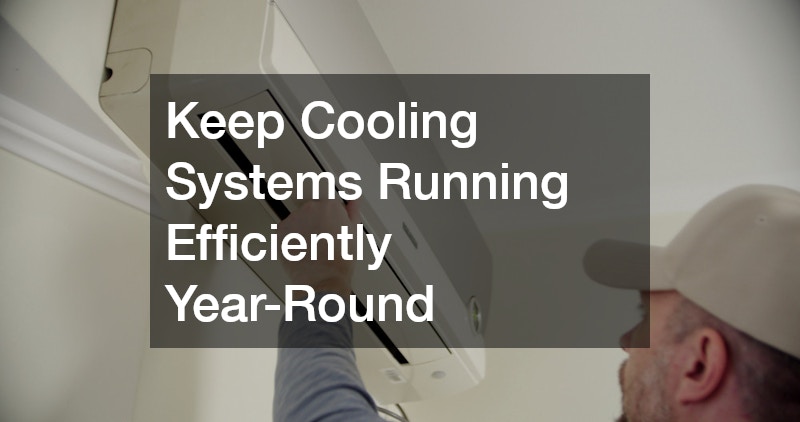
Cooling systems experience significant wear during hot weather, especially when maintenance is neglected. Dirt buildup, restricted airflow, and worn components force equipment to work harder than necessary, increasing energy consumption while reducing indoor comfort.
Routine ac repair services help restore proper performance before minor problems become major failures. Homeowners often ignore small warning signs such as weak airflow, unusual noises, or rooms that cool unevenly. However, these symptoms usually indicate developing issues that worsen over time if left untreated.
Regular maintenance helps improve both efficiency and reliability. Cleaning condenser coils, checking refrigerant levels, tightening electrical connections, and replacing air filters all help systems operate more smoothly. Even simple maintenance tasks can significantly reduce strain on cooling equipment.
Hiring a qualified ac repair contractor is especially important when diagnosing recurring issues. Experienced professionals can identify whether problems stem from airflow restrictions, refrigerant leaks, failing components, or improper system sizing. Correctly diagnosing the root cause prevents homeowners from repeatedly paying for temporary fixes that fail to solve the real problem.
Preventive maintenance also extends equipment lifespan. Systems that receive regular inspections generally experience fewer breakdowns and maintain stronger performance over time. Homeowners who schedule annual tune-ups often avoid expensive emergency repairs during the hottest months of the year.
In addition to professional maintenance, homeowners can improve efficiency through everyday habits. Keeping vents unobstructed, replacing filters regularly, and using programmable thermostats all help reduce unnecessary strain on cooling systems. Small adjustments can produce meaningful long-term savings when combined with professional care.
Explore New Technology for Better Performance
Modern systems offer more efficient solutions than many homeowners realize. Advances in equipment design now allow homes to maintain comfortable indoor temperatures using significantly less energy than older systems required.
Heat pumps have become increasingly popular because they provide both heating and cooling capabilities within a single system. Rather than generating heat directly, these systems transfer heat between indoor and outdoor spaces, making them highly energy efficient in many climates. Their ability to handle multiple functions also reduces the need for separate pieces of equipment.
Professional HVAC contractors help homeowners determine whether newer technologies are appropriate for their property. Proper sizing is especially important because oversized or undersized systems can create serious efficiency problems. Equipment that is too large may cycle on and off too frequently, while undersized equipment may struggle to maintain consistent temperatures.
Load calculations allow professionals to match equipment capacity to the home’s actual needs. Factors such as insulation quality, square footage, window placement, and local climate all influence how systems should be sized. Accurate calculations improve comfort while preventing unnecessary energy waste.
Smart thermostats and zoning systems can further improve efficiency by allowing more precise temperature control throughout the home. Instead of conditioning every room equally at all times, homeowners can adjust temperatures based on occupancy and daily routines. These technologies help reduce unnecessary energy use without sacrificing comfort.
Homeowners should also ask about maintenance requirements before upgrading equipment. Even highly efficient systems require regular service to perform properly. Understanding long-term maintenance expectations helps homeowners protect their investment and maintain strong performance over time.
Use Performance Testing to Identify Hidden Problems
Some efficiency problems remain invisible without specialized testing. A system may appear to operate normally while still wasting significant amounts of energy due to airflow restrictions, duct leaks, or pressure imbalances.
Professional hvac testing helps identify these hidden issues more accurately. Technicians use specialized tools to measure airflow, static pressure, duct leakage, and system performance. These tests provide valuable data that reveals how efficiently equipment is operating under real-world conditions.
Testing can uncover issues that standard visual inspections may miss. For example, leaking ductwork inside attic spaces or crawl spaces can waste large amounts of conditioned air before it ever reaches living areas. Even small leaks force HVAC equipment to run longer cycles, increasing energy consumption unnecessarily.
Airflow testing also helps improve indoor comfort. Poor airflow can create hot and cold spots throughout the home, making some rooms difficult to heat or cool properly. Correcting airflow imbalances improves temperature consistency while reducing strain on the entire system.
Indoor air quality is another important factor often addressed during performance evaluations. Excess humidity, inadequate ventilation, and dirty filtration systems can negatively affect both comfort and health. Technicians may recommend upgraded filters, humidity control solutions, or ventilation improvements to create a healthier indoor environment.
Regular testing becomes especially valuable after major renovations or equipment upgrades. Changes to insulation, room layouts, or duct systems can alter airflow patterns and affect performance. Verifying that the system still operates efficiently helps homeowners avoid long-term comfort issues.
Improve Water Heating Efficiency Throughout the Home
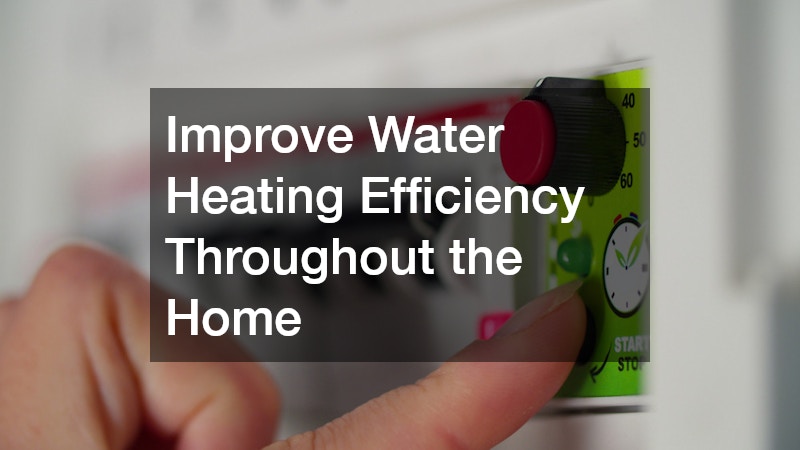
Many homeowners focus heavily on temperature control while overlooking another major contributor to energy consumption: hot water production. Water heating systems operate daily and can account for a significant portion of monthly utility costs.
Routine water heater service helps improve efficiency while reducing the risk of unexpected failures. Over time, sediment buildup inside storage tanks forces equipment to work harder to heat water effectively. Flushing the tank regularly helps maintain performance while extending equipment lifespan.
Temperature settings also play an important role in energy usage. Many water heaters are set higher than necessary, wasting energy while increasing the risk of scalding. Adjusting settings to more efficient levels can lower operating costs without reducing comfort.
Water heating performance also affects the home’s overall heating efficiency. Poor insulation around pipes and tanks allows heat to escape before hot water reaches fixtures. Insulating exposed pipes and upgrading outdated equipment can reduce unnecessary energy loss.
Homeowners should also monitor for warning signs that indicate declining performance. Rust-colored water, inconsistent temperatures, unusual noises, and visible leaks often suggest developing problems. Addressing these issues early may prevent major water damage and costly emergency replacements.
Tankless systems have become another popular upgrade option because they heat water only when needed rather than storing continuously heated water in a tank. While installation costs may be higher initially, many homeowners appreciate the improved efficiency and unlimited hot water supply these systems provide.
Combining efficient water heating practices with broader home improvements creates more noticeable long-term savings. Small efficiency gains across multiple systems often add up to substantial reductions in energy consumption over time.
Build a Long-Term Maintenance Strategy
Improving home efficiency is not a one-time project. Systems continue aging, filters become dirty, and airflow conditions change over time. Establishing a consistent maintenance plan helps homeowners preserve performance while avoiding unnecessary repairs.
Experienced HVAC contractors often recommend seasonal inspections to keep systems operating efficiently year-round. Spring and fall appointments allow technicians to prepare equipment before periods of heavy use begin. These visits typically include cleaning components, inspecting electrical connections, testing safety controls, and identifying early signs of wear.
Scheduling regular inspections also helps homeowners manage repair costs more effectively. Addressing small issues early usually costs far less than waiting for major failures to occur. Preventive care reduces emergency breakdowns while improving reliability during extreme weather conditions.
A second energy audit every few years can also help homeowners evaluate how the property’s performance changes over time. Aging insulation, settling structures, and equipment wear may gradually reduce efficiency even after previous upgrades. Reassessing the home periodically allows homeowners to continue improving comfort and reducing waste.
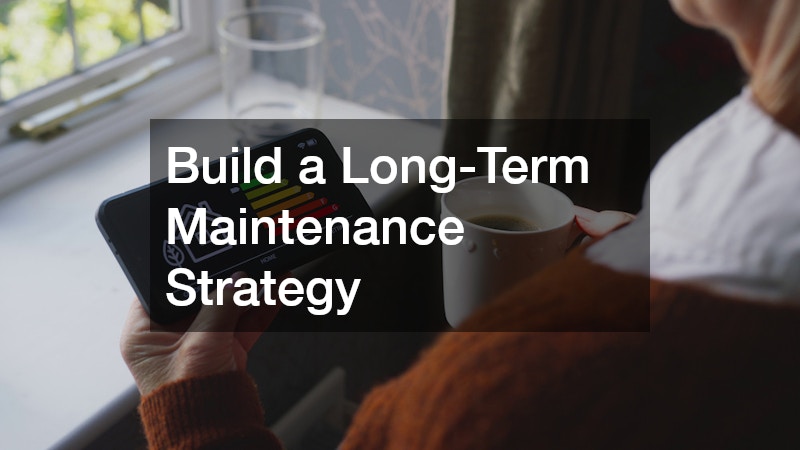
Technology can further simplify long-term maintenance efforts. Smart monitoring systems now allow homeowners to track energy usage, receive maintenance reminders, and detect unusual system behavior before serious problems develop. These tools provide greater visibility into overall system performance while helping homeowners respond quickly to developing issues.
Creating a maintenance calendar is another effective strategy. Tracking filter replacements, inspection dates, and repair history helps ensure important tasks are not forgotten. Organized maintenance records also provide valuable information when evaluating future upgrades or selling the property.
Investing in Long-Term Comfort and Savings
Creating a more efficient home requires a combination of proactive maintenance, smart upgrades, and informed decision-making. Small issues that go unaddressed can gradually increase energy consumption, reduce comfort, and shorten equipment lifespan. By taking a strategic approach to maintenance and improvements, homeowners can significantly reduce waste while improving year-round reliability.
Professional guidance plays an important role in identifying the most effective solutions for each property. Careful inspections, performance evaluations, and targeted upgrades help homeowners avoid unnecessary expenses while maximizing long-term value. Whether improving airflow, upgrading outdated equipment, or optimizing water heating performance, even modest improvements can produce meaningful results over time.
Homeowners who invest in regular care often enjoy lower utility costs, more stable indoor temperatures, fewer emergency repairs, and healthier indoor environments. With the right combination of maintenance and efficient technology, it becomes much easier to create a comfortable home that performs reliably in every season.