
Staying on top of home repairs can feel like an ongoing challenge for families, especially when balancing work, school schedules, and everyday responsibilities. Small issues can quickly turn into larger concerns if they are overlooked, which is why having a proactive approach to home maintenance is so important. By paying attention to early warning signs and planning ahead, families can maintain a safer, more comfortable living environment while avoiding unnecessary disruptions. A well-maintained home supports not only the structure itself but also the daily routines and peace of mind of everyone living inside.
Taking a structured approach to home upkeep helps families stay organized and prepared for both expected and unexpected repairs. This includes scheduling regular inspections, keeping track of maintenance tasks, and addressing problems before they escalate. Whether it involves monitoring plumbing systems, maintaining outdoor spaces, or planning for improvements like pool construction, being proactive allows families to stay in control of their home’s condition. With the right strategies in place, home repairs become more manageable, allowing families to focus on enjoying their space rather than reacting to emergencies.
Creating a Maintenance Plan That Works
Developing a maintenance plan is one of the most effective ways families can stay ahead of home repairs. A well-organized plan helps track tasks throughout the year, ensuring that nothing important is overlooked. Seasonal checklists can be especially useful, as they align maintenance tasks with weather changes and environmental factors. For example, preparing for winter might involve checking insulation and chimney repairs, while spring maintenance may focus on cleaning gutters and inspecting outdoor structures. Having a clear plan reduces the likelihood of sudden issues and provides a sense of control over home upkeep.
In addition to seasonal planning, it is helpful to create a schedule for routine inspections and servicing. This includes checking major systems such as plumbing, heating, and electrical components, as well as structural elements like roofing and foundations. By consistently reviewing these areas, families can identify potential problems early and take action before they become more serious. A maintenance plan also encourages accountability, ensuring that tasks are completed on time and that the home remains in optimal condition throughout the year.
Recognizing Early Signs of Structural Issues
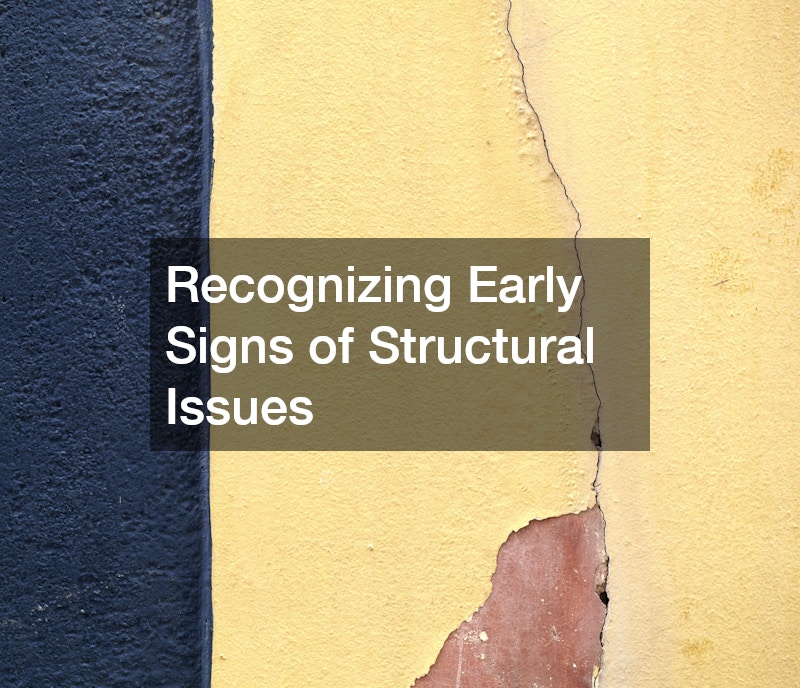
Being able to recognize early signs of structural problems can help families address concerns before they worsen. Cracks in walls, uneven flooring, and doors that do not close properly can all indicate underlying issues that need attention. Addressing these signs early is essential for maintaining the integrity of the home and preventing further damage. In some cases, these warning signs may point to the need for foundation repair, which plays a critical role in supporting the entire structure. Taking action at the first indication of trouble can help preserve both safety and stability.
Regular inspections of the home’s structure can help identify these issues before they become more noticeable. Walking through the home and paying attention to changes over time allows families to detect subtle shifts that might otherwise go unnoticed. It is also beneficial to monitor exterior areas, such as the foundation and surrounding landscape, for signs of settling or water damage. By staying vigilant and addressing concerns promptly, families can maintain a strong and secure home environment.
Maintaining Outdoor Surfaces and Access Points
Outdoor areas are often exposed to the elements, making them more susceptible to wear and tear. Driveways, walkways, and patios can develop cracks or uneven surfaces over time, which may require attention to maintain safety and appearance. Regular cleaning and inspection of these areas can help prevent deterioration and extend their lifespan. In some cases, families may need to address issues through asphalt repairs to restore functionality and reduce the risk of accidents. Keeping outdoor surfaces in good condition contributes to both curb appeal and overall safety.
In addition to maintaining surfaces, it is important to consider access points such as gates, fences, and entryways. These features play a key role in security and convenience, and they should be inspected regularly for signs of damage or wear. Ensuring that pathways are clear and that entry points are functioning properly helps create a welcoming and secure environment. By prioritizing outdoor maintenance, families can enhance both the usability and appearance of their property.
Keeping Water Systems Functioning Properly
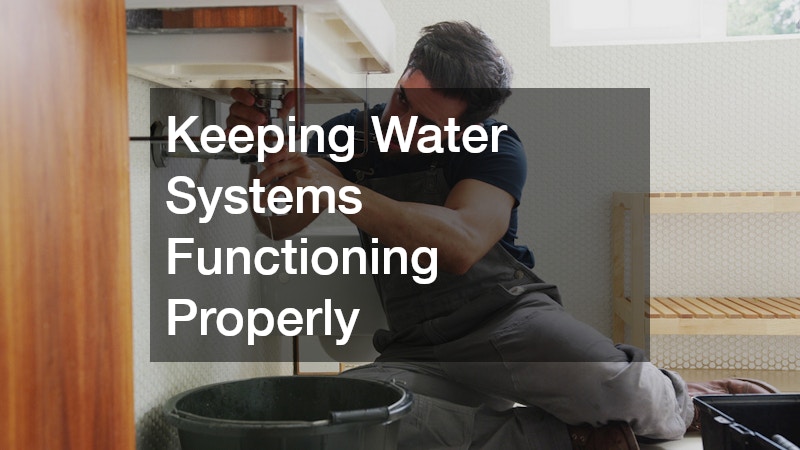
Water systems are an essential part of any home, and maintaining them is crucial for daily living. From plumbing fixtures to water supply systems, these components require regular attention to function efficiently. Issues such as low water pressure, unusual noises, or changes in water quality can indicate underlying problems that need to be addressed. In some cases, these concerns may point to the need for well pump repairs, particularly in homes that rely on well water for their supply. Addressing these issues promptly helps ensure consistent access to clean water.
Routine maintenance of water systems includes checking for leaks, inspecting pipes, and ensuring that all components are operating as expected. Families can also benefit from monitoring water usage and identifying any sudden changes that may signal a problem. By staying proactive and addressing concerns early, homeowners can prevent disruptions and maintain a reliable water system. This approach not only supports daily activities but also contributes to the long-term efficiency of the home.
Managing Indoor Comfort Systems Year-Round
Indoor comfort systems play a vital role in maintaining a pleasant living environment. Heating and cooling systems, in particular, require regular maintenance to function effectively. Filters should be cleaned or replaced as needed, and systems should be inspected to ensure proper operation. When issues arise, such as inconsistent temperatures or unusual noises, it may be necessary to schedule air conditioner repairs to restore comfort and efficiency. Keeping these systems in good condition helps families stay comfortable throughout the year.
In addition to routine maintenance, it is important to consider the overall performance of indoor systems. This includes evaluating energy usage, monitoring system output, and making adjustments as needed. Families can benefit from setting reminders for regular servicing and staying aware of any changes in performance. By taking a proactive approach to indoor comfort systems, homeowners can create a more enjoyable living space while reducing the likelihood of unexpected issues.
Addressing Roofing and Exterior Protection
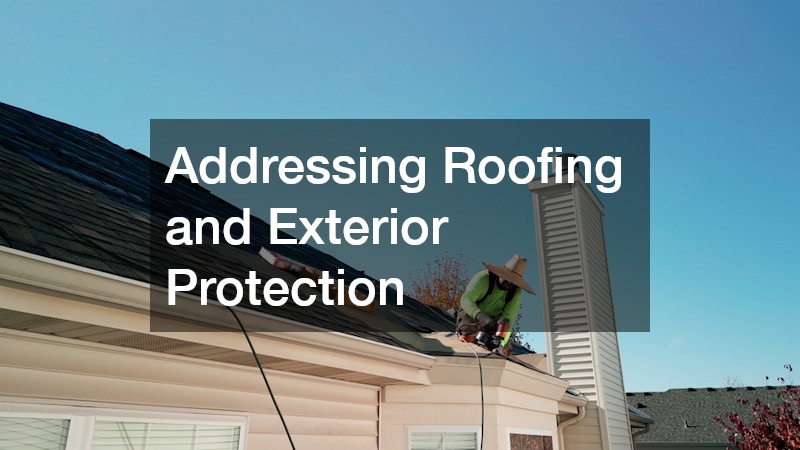
The roof is one of the most important components of a home, providing protection from the elements and contributing to overall structural integrity. Regular inspections can help identify issues such as missing shingles, leaks, or signs of wear. When problems are detected, it is important to address them promptly, often with the help of local roof repair services. Maintaining the roof helps prevent water damage and ensures that the home remains well-protected.
In addition to the roof, other exterior elements such as siding, gutters, and windows should also be inspected regularly. These features work together to protect the home and maintain its appearance. Keeping them in good condition helps prevent damage and supports the overall durability of the structure. By prioritizing exterior maintenance, families can safeguard their home against environmental factors and maintain its long-term value.
Improving Home Security and Access
Home security is an important consideration for families, and maintaining secure access points is a key part of this effort. Doors, windows, and locks should be inspected regularly to ensure they are functioning properly. If issues arise, such as broken locks or difficulty accessing the home, it may be necessary to seek assistance from local locksmith services. Ensuring that all entry points are secure helps protect both the home and its occupants.
In addition to maintaining existing security features, families can consider upgrading their systems to enhance protection. This may include installing new locks, reinforcing doors, or adding security devices. Regularly reviewing and updating security measures helps create a safer living environment and provides peace of mind. By staying proactive, families can ensure that their home remains secure and accessible at all times.
Maintaining Garage and Entry Systems
Garage doors and entry systems are used frequently, making them more prone to wear and tear. Regular maintenance is essential to ensure smooth operation and prevent unexpected issues. This includes checking for alignment problems, lubricating moving parts, and inspecting components for signs of damage. When necessary, addressing concerns through garage door repairs can help restore functionality and prevent further complications. Keeping these systems in good condition supports both convenience and safety.
In addition to maintenance, it is important to monitor the performance of garage and entry systems over time. Unusual noises, slow operation, or difficulty opening and closing the door can all indicate underlying issues. Addressing these problems early helps prevent more serious concerns and ensures that the system continues to operate reliably. By prioritizing maintenance, families can maintain efficient and dependable access to their home.
Monitoring Electrical Systems and Safety
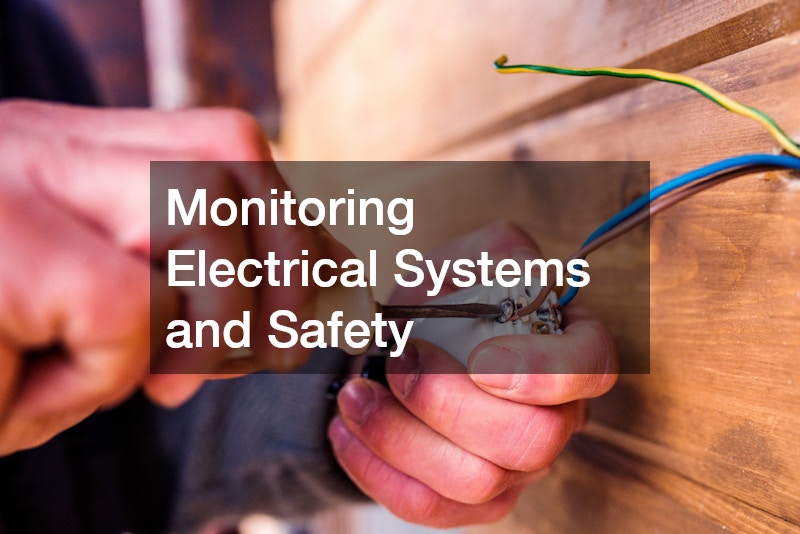
Electrical systems are a critical part of any home, supporting everything from lighting to appliances. Regular inspections can help identify potential issues such as faulty wiring, overloaded circuits, or outdated components. Addressing these concerns promptly is essential for maintaining safety and preventing hazards. In some cases, electrical repair may be necessary to restore proper function and ensure that the system meets current standards. Keeping electrical systems in good condition helps protect both the home and its occupants.
In addition to addressing specific issues, families should also focus on general electrical safety practices. This includes avoiding overloading outlets, using appropriate fixtures, and keeping wiring in good condition. Staying informed about potential risks and taking preventive measures can help reduce the likelihood of problems. By prioritizing electrical maintenance, homeowners can create a safer and more reliable living environment.
Planning for Long-Term Home Improvements
Planning for long-term improvements allows families to enhance their home while addressing potential maintenance needs. This may include updating existing features, expanding living spaces, or adding new elements to the property. For example, projects such as new pool construction can provide additional recreational opportunities while also increasing property value. By planning ahead, families can integrate these improvements into their overall maintenance strategy.
Long-term planning also involves setting goals and budgeting for future projects. This helps ensure that improvements are completed in a timely and organized manner. By considering both immediate needs and future goals, families can create a comprehensive approach to home care. This proactive mindset supports continuous improvement and helps maintain a comfortable and functional living environment.
Another important aspect of long-term planning is prioritizing projects based on urgency and overall impact. Families can benefit from evaluating which improvements will provide the greatest benefit in terms of safety, functionality, and convenience. For instance, addressing aging systems or structural concerns may take precedence over aesthetic upgrades. Creating a timeline for these projects allows homeowners to spread out responsibilities and avoid feeling overwhelmed. It also provides an opportunity to research options, gather necessary resources, and coordinate work effectively. By taking a thoughtful and organized approach, families can make steady progress toward their home improvement goals while maintaining balance in their daily lives.
Staying ahead of home repairs requires a combination of awareness, planning, and consistent effort. By taking a proactive approach, families can address issues early, maintain essential systems, and create a safer, more comfortable living space. From monitoring structural elements to maintaining indoor and outdoor systems, each step contributes to the overall health of the home. With the right strategies in place, home maintenance becomes a manageable and rewarding process.
By prioritizing regular inspections, addressing concerns promptly, and planning for future improvements, families can maintain control over their home’s condition. This approach not only reduces stress but also supports long-term stability and comfort. With careful attention and a commitment to upkeep, homeowners can create an environment that meets their needs and enhances their daily lives.
Taking the time to build consistent habits around home care can also make a lasting difference in how manageable repairs feel over time. When maintenance becomes part of a routine rather than a reaction to problems, families are better prepared to handle unexpected situations. Staying organized, keeping records of past repairs, and setting reminders for seasonal tasks can all contribute to a more efficient approach. Over time, these small efforts add up, helping homeowners protect their investment and maintain a home that continues to support their lifestyle and long-term goals.