Stepping across the threshold of your very first home as its legal owner is an undeniably exhilarating milestone. After months of sorting through digital listings, touring open houses, navigating complex mortgage paperwork, and writing a massive down payment check, you finally hold the keys to your own piece of the world. There is a profound sense of pride that comes with painting walls, whatever color you choose, hanging artwork without worrying about a security deposit, and knowing that every monthly payment builds long-term personal equity.
However, once the initial excitement of moving day settles and the last cardboard box is unpacked, a distinct shift in reality takes place. For many new buyers, a sudden wave of realization hits the first time a faucet begins to drip, a weird clicking sound echoes from the utility closet, or a heavy rainstorm causes a downspout to overflow.
By implementing a consistent, step-by-step preventative maintenance schedule, you can catch minor wear and tear before it transforms into a budget-breaking emergency, keeping your family safe and preserving your greatest financial investment.
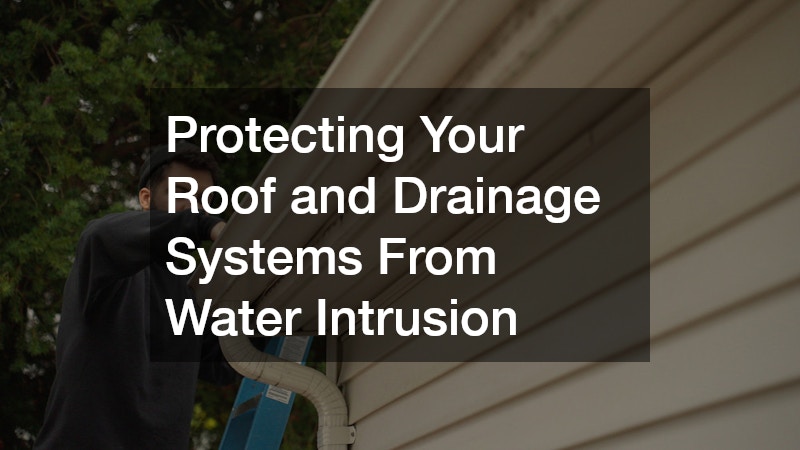
Protecting Your Roof and Drainage Systems From Water Intrusion
Clear Debris Early and Eliminate Destructive Organic Growths
The exterior shell of your house has one primary job: to keep water out. Liquid moisture is a property’s ultimate nemesis, capable of causing hidden wood rot, structural roof decay, ruined insulation, and toxic mold growth within a relatively short period. Your home’s roof and gutter system work together as a unified shield, collecting thousands of gallons of rainwater and channeling it safely away from your wood framing and concrete foundation walls.
When this drainage pathway becomes blocked by fallen leaves, twigs, pine needles, and airborne dirt, the water has nowhere to go. It backs up under your shingles, spills over the edges of your fascia boards, rots out your wooden soffits, and pools directly at the base of your foundation, which can crack your basement walls. Signing up for professional gutter cleaning maintenance programs ensures your downspouts stay clear through seasonal downpours without you ever having to climb a dangerous ladder. These recurring inspections keep debris moving smoothly, preventing expensive water damage before it can start.
Beyond keeping the metal tracks clear, you must also pay close attention to the physical surface of your roof shingles. If your property sits under a heavy tree canopy or experiences high humidity, you will eventually notice dark, vertical black streaks forming on the northern slopes of your roof. This is not simple dirt; it is a hardy strain of blue-green algae that feeds on the limestone filler used in modern asphalt shingles. Left unchecked, this growth will trap moisture against the roof deck and break down the protective ceramic granules that shield your home from solar heat. Scheduling a gentle, chemical-based roof washing removes destructive black algae streaks before they can rot your shingles and cut their lifespan in half.
- Essential exterior drainage tasks to complete twice a year:
- Scoop out packed organic material from all gutter runs, paying extra attention to the corners and valleys.
- Flush downspouts with a high-pressure garden hose to confirm that water flows freely out the bottom.
- Install mesh leaf guards if your lot is surrounded by mature hardwood trees or pine networks.
- Check that your downspout extensions terminate at least six feet away from your foundation walls.
Managing Hidden Subterranean Waste Systems
Monitor Waste Lines and Schedule Timely Underground Tank Checks
For homeowners whose properties are connected to municipal sewer lines, waste management is largely an automatic process. However, if you have purchased a home in a rural or semi-rural subdivision, your property likely utilizes a private, self-contained subterranean wastewater system. Private waste networks are highly efficient and environmentally friendly, but they demand direct oversight from the homeowner. Falling into an out-of-sight, out-of-mind mentality with your underground plumbing can lead to structural backups, contaminated yard soil, and massive repair bills.
A private system relies on a delicate biological balance inside an underground tank to break down solid waste, while channeling liquid effluent into a surrounding soil drainage field. Failing to stay on top of routine septic tank services can lead to field failure, resulting in thousands of dollars in premature excavation costs. If the solid layer inside the tank grows too thick, it will escape into the drain field lines, plugging the porous pipes and forcing raw sewage to back up into your home’s lowest drains.
To keep this vital system operating cleanly, you must monitor what goes down your household drains and track the calendar carefully. Avoid flushing flushable wipes, paper towels, feminine hygiene products, or pouring cooking grease down your kitchen sink, as these materials cannot be broken down by standard tank bacteria. Additionally, keep regular appointments with licensed waste haulers to inspect the internal levels of your tank. A family of four should generally invest in professional septic pumping services every three to five years to clear out accumulated solids, ensuring your subterranean waste system functions flawlessly for decades.
Keeping Your Interior Climate Control Units Efficient

Replace Air Filters Regularly and Standardize Seasonal Tune-Ups
Your heating, ventilation, and air conditioning system is easily one of the most expensive mechanical components hidden inside your home. It works continuously throughout the year to maintain comfortable indoor temperatures, regulate humidity levels, and filter out airborne dust and allergens. Despite its high cost and critical role in daily family comfort, many first-time homeowners inadvertently cut the lifespan of their climate control units short through simple maintenance neglect.
The most vital, non-negotiable maintenance task you must perform yourself is changing your system’s return air filters every thirty to ninety days. When an air filter becomes clogged with dust, pet dander, and hair, it restricts the volume of air flowing across the system’s internal coils. This restriction forces the blower motor to work twice as hard to condition your home, spiking your monthly electricity bills and causing the internal components to overheat or freeze up entirely.
Beyond changing your filters, the mechanical hardware requires professional attention to ensure safety and efficiency. Establishing a relationship with a certified HVAC company for a spring checkup keeps your heating and cooling system running at peak operational efficiency. Technicians can clean the delicate interior coils, test the electrical draw of the fan motors, and clear the condensation drain lines to prevent internal water overflows. If your system begins blowing lukewarm air during the hottest week of July, a licensed air conditioner contractor can safely check refrigerant pressures, inspect electrical contactors, and seal minor line leaks before a minor component failure burns out your expensive main compressor entirely.
- Simple strategies to maximize your climate control system’s performance:
- Buy multi-packs of air filters ahead of time and set a recurring monthly calendar reminder on your phone.
- Keep the outdoor condenser unit free of grass clippings, autumn leaves, and invasive weeds.
- Trim back all surrounding bushes and landscaping structures at least two feet away from the outdoor unit.
- Avoid blocking interior supply vents and return air grilles with heavy furniture, drapes, or storage boxes.
Securing the Integrity of Your Fresh Water Delivery

Check High-Pressure Lines and Address Slow Drainage Red Flags Immediately
Water delivery networks operate under continuous high pressure, standing ready to provide fresh water to your showers, sinks, and appliances at a moment’s notice. Because this pressure is constant, a minor failure in a supply line can result in hundreds of gallons of water flooding your home in a matter of minutes. First-time homeowners must learn how to read the early warning signs of water distress and familiarize themselves with the location of their emergency shut-off points.
Make it a habit to perform a quick visual sweep under your kitchen and bathroom vanities once a month. Look for damp cabinet floors, green corrosion around copper fittings, or slow, silent weeps around your toilet supply valves. Catching these tiny leaks early prevents the growth of hazardous black mold and saves your subfloor from warping. More importantly, locate your home’s main water shut-off valve—usually located near the water meter or where the main supply line enters the house—and ensure every adult in the home knows how to turn it off during a major plumbing emergency.
When a drain begins running slowly, avoid the temptation to reach for a bottle of chemical liquid drain cleaner from the grocery store shelf. Experienced plumbers always advise against using chemical gel drain openers, as they trap heat in your pipes and weaken the structural joints. These harsh chemicals use caustic reactions that can eat through older metal pipes or warp modern plastic PVC lines, turning a minor clog into a major structural leak. If you notice a sudden drop in your household water pressure or suffer from a stubborn, recurring backup, calling a licensed plumbing contractor can pinpoint hidden leaks behind your drywall using advanced video camera technology, clearing your lines safely without damaging your pipes.
Safeguarding Your Household Electrical Grid
Learn Your Breaker Box Mapping and Avoid Overloading Old Circuits
The electrical grid hidden behind your walls provides the power needed to run your appliances, illuminate your living spaces, and charge your modern devices. However, electricity is inherently dangerous if it is mismanaged or if your home’s circuitry is subjected to unsafe demands. Many first-time buyers move into older homes featuring electrical panels that were never designed to handle the heavy power loads of modern lifestyle items, such as electric vehicles, high-end computers, and multiple smart appliances running simultaneously.
Your first step in managing your electrical grid is to take a close look at your main breaker panel. If the previous owners left behind a messy, illegible map of the circuits, take an afternoon to systematically test each breaker and create a clear, accurate legend. Labeling your box properly allows you to kill power instantly to a specific room during an isolated emergency or when you need to swap out a simple light fixture. Additionally, learn to recognize the clear warning signs of electrical distress, such as flickering lights when a large appliance kicks on, warm switch plates, popping sounds behind walls, or a distinct, fishy smell that indicates plastic insulation is melting from an overloaded wire.
DIY electrical adjustments should be completely avoided by first-time homeowners. Trying to add new outlets, wire up heavy fixtures, or alter your breaker box without proper training can result in immediate electrical shock, code violations that ruin your home’s resale value, or hidden arc faults that spark devastating attic fires. Installing a modern smart thermostat or upgrading a heavy-duty appliance circuit demands the precision of a certified electrician to prevent shorts. For complex whole-home surge protection installations or main service panel upgrades, reputable electrical contractors will handle the necessary city permits and utility coordination safely, ensuring your home’s grid remains fully compliant with modern safety codes.
- Crucial signs that your home’s electrical system needs professional intervention:
- Circuit breakers that trip repeatedly when you attempt to use everyday small appliances.
- A persistent buzzing or humming noise is echoing from your main electrical panel.
- Sparking or visible smoke escaping from an outlet when a cord is plugged in or removed.
- Ground fault circuit interrupter outlets near water sources that refuse to reset when pressed.
Designing a Smart Preventive Upkeep Schedule

Divide Maintenance Work Into Manageable Seasonal Commitments
When you look at your home’s structural components, waste networks, climate control systems, plumbing lines, and electrical grids all at once, the sheer volume of maintenance tasks can feel completely overwhelming. The secret to mastering home maintenance without letting it take over your weekends is to break your obligations down into a logical, seasonal calendar. By spreading your inspections, cleanings, and professional checkups across twelve months, upkeep transforms from a stressful chore into an easy, rewarding habit.
Spring is the ideal season to focus heavily on your home’s exterior recovery after winter weather. Walk around your property to inspect the siding for cracks, check the roof for missing shingles, and schedule your seasonal cooling system tune-up before summer temperatures spike. Summer is the perfect time to tackle outdoor wood sealing, deck maintenance, and driveway crack repairs when the weather is consistently dry.
As autumn approaches, shift your priorities toward weatherproofing your property for cold weather. This is the time to clean your gutters, blow out irrigation lines to prevent freezing, check window weatherstripping, and have your heating system tested before the first winter frost. Winter is an excellent time to focus entirely on indoor safety checks, such as testing smoke detectors, checking fire extinguishers, cleaning dryer vents, and conducting under-sink plumbing sweeps.
Conclusion
Knowing when to handle a simple task yourself and when to call in certified, insured professionals for your plumbing and electrical grids protects your home’s equity and future marketability. Take a proactive look at your property today, map out your own twelve-month preventative upkeep calendar, and enjoy the true comfort and security that comes with a perfectly maintained home.