Highlights:
- Hail is now a major financial threat, with over 43.5 million U.S. properties at moderate or greater risk and roughly $17.84 trillion in reconstruction cost value exposed, putting it on par with a major hurricane.
- 2025 saw 142 days of damaging hail nationwide, well above the 20-year average, with hailstones two inches or larger striking more than 600,000 homes.
- Hail damage is often subtle rather than dramatic, bruising shingles and stripping granules in ways that weaken a roof gradually rather than causing obvious, immediate destruction.
- Wind, rain, snow, and ice each stress a roof differently, from wind uplift and flashing damage to freeze-thaw cracking and ice dams that force water backward under shingles.
- Roofing material matters a lot in storm resilience, with asphalt shingles being especially vulnerable to hail and aging, while metal, tile, and wood each have their own strengths and weak points.
- Industry-wide repair demand is climbing, with the roofing contractor sector projected to reach $92.5 billion in revenue in 2026, largely driven by extreme weather events.
- Quick action after a storm, including inspections, documentation, and photos of visible damage, can make a real difference in catching problems early and supporting any future insurance claims.
Your roof takes more abuse than almost any other part of your house, and it rarely gets credit for it. Rain, wind, hail, snow, and sun all hit it directly, year after year, while the rest of your home stays comfortably protected underneath. Most homeowners do not think about their roof until something goes wrong, but by then the damage has often been building quietly for months. Understanding how different types of storms affect roofing materials can help you catch problems early, protect your investment, and avoid a much bigger repair bill down the road. Storm patterns are also shifting in ways that make this awareness more important than ever, with newer data showing that certain perils, like hail, are causing more widespread and expensive damage than most people realize. Let’s break down exactly what each type of severe weather does to your roof and what you can do about it.
The Real Cost of Hail Damage in 2026
Hail used to be treated as a minor, almost annoying weather event compared to hurricanes or wildfires. That is no longer the case. A 2026 severe convective storm risk report from Cotality found that more than 43.5 million properties across the United States are now at moderate or greater risk from damaging hail, and those homes collectively represent roughly $17.84 trillion in reconstruction cost value. That is a staggering number, and it puts hail on par with a major Category 4 hurricane in terms of financial impact.
The same report noted that in 2025 alone, the country logged 142 days with damaging hail, which is seven more days than in 2024 and well above the twenty-year average of 122 days. During those storms, hailstones measuring two inches or larger struck more than 600,000 homes, adding up to about $177 billion in reconstruction cost value. Researchers behind the report described hail as a “death-by-a-thousand-papercuts” peril, meaning the damage is not always dramatic or obvious right after a storm, but it accumulates and weakens roofing systems over time.
What makes this data so important for homeowners is the trend line. Hail is not a rare, freak occurrence anymore. It is becoming a consistent, widespread threat that insurers are treating with the same seriousness as hurricanes and floods. If you live in a region prone to severe thunderstorms, your roof is statistically more exposed to this risk than it was even a few years ago.
How Wind Storms Attack Your Roof
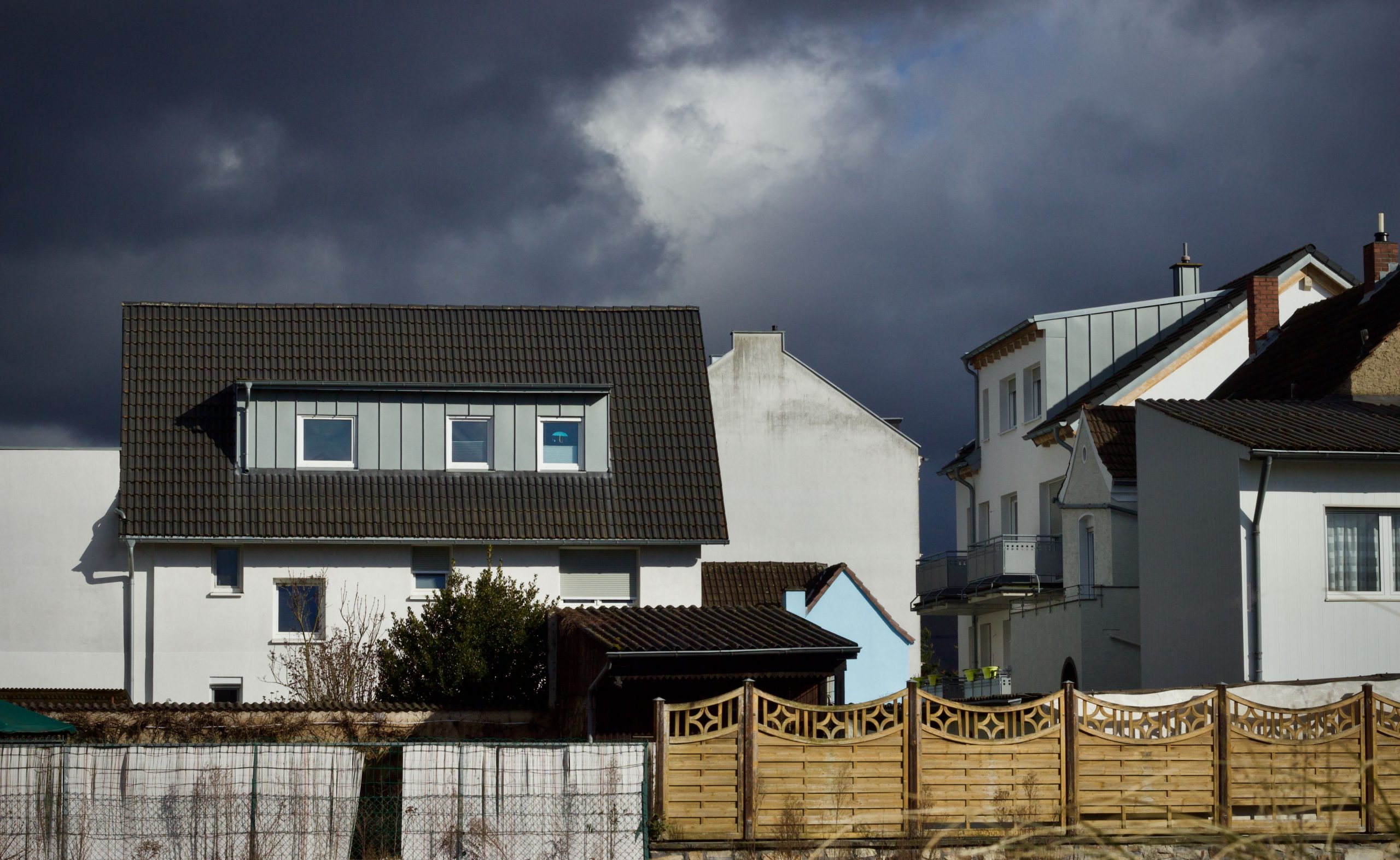
Wind is one of the most underestimated threats to a roof because the damage is not always visible from the ground. Strong gusts create uplift, which is a pulling force that tries to peel roofing materials away from the deck underneath. Once wind gets beneath the edge of a single shingle or tile, it can rip along a seam and take multiple pieces with it.
Here is what wind damage typically looks like:
- Missing, cracked, or curled shingles, especially near roof edges and ridgelines
- Loosened or lifted flashing around chimneys, vents, and skylights
- Granule loss that leaves bare patches on asphalt shingles
- Debris impact damage from branches, patio furniture, or nearby structures
- Exposed or torn underlayment after severe gusts
Even wind speeds that fall short of hurricane or tornado strength can cause meaningful damage, particularly on older roofs or roofs that were not installed with wind-resistant fasteners. Homes near open fields, coastlines, or elevated terrain tend to see more wind-related roof issues simply because there is less natural buffering from trees or buildings.
Hailstorms and Why They’re Sneakier Than You Think
Unlike wind, which tends to leave obvious signs like missing shingles scattered across your yard, hail damage is often subtle and easy to miss. Hailstones bruise roofing materials rather than tearing them off outright. On asphalt shingles, this shows up as small dents or soft spots where the granules have been knocked loose, exposing the asphalt layer underneath to sun and moisture.
Over time, these bruises accelerate wear in ways that are not immediately visible:
- Granule loss reduces UV protection, which speeds up shingle aging
- Cracked or fractured fiberglass matting weakens the shingle’s structural integrity
- Compromised shingles lose their ability to shed water effectively
- Small impact points can become entry paths for leaks during future rain
Roof size, hailstone size, wind direction during the storm, and the age and material of your roof all influence how much damage occurs. A newer, impact-resistant roof might come through a hailstorm relatively unscathed, while an aging roof with worn granules could sustain significant damage from the same event. This is part of why insurers are paying closer attention to hail exposure when underwriting policies, and it is also why a professional inspection after any significant hailstorm is worth scheduling even if your roof looks fine from the driveway.
Heavy Rain, Flooding, and Roof Vulnerabilities
Rain itself is not usually the villain here. Roofs are designed to shed water. The problem arises when a roof already has some kind of weakness, whether that is a cracked shingle, damaged flashing, or a clogged gutter system, because heavy or prolonged rain will find that weakness fast.
Common rain-related issues include:
- Water pooling around flashing that has separated from the roofline
- Backed-up gutters causing water to seep under shingles near the eaves
- Ice dam formation in colder climates, which forces water backward under the roof covering
- Slow, hidden leaks that lead to mold growth or rotted decking before anyone notices a stain on the ceiling
Prolonged rainy seasons or back-to-back storm systems are especially rough on roofs because materials rarely get a chance to fully dry out between events. Trapped moisture is one of the biggest long-term threats to roof decking and insulation, and it is often the underlying cause of “mystery leaks” that seem to appear out of nowhere.
Snow, Ice, and Freeze-Thaw Damage
If you live somewhere with real winters, your roof deals with a different kind of stress entirely. Heavy snow adds significant weight, and while most roofs are engineered to handle typical snow loads, repeated heavy snowfall or ice accumulation can push things past their limit, particularly on older structures or roofs with existing damage.
Freeze-thaw cycles are arguably the bigger long-term concern. When snow melts during the day and refreezes at night, that repeated expansion and contraction can:
- Widen small cracks in shingles, flashing, or sealant
- Contribute to ice dams that trap water against the roofline
- Stress roof joints and seams where materials meet
- Accelerate wear on aging roofing systems that already have compromised waterproofing
Ice dams deserve special mention because they are one of the most damaging winter roof issues. They form when heat escaping from the attic melts snow on the upper roof, which then refreezes at the colder eaves, creating a dam that forces meltwater backward under the shingles. This is less about the storm itself and more about how your home’s insulation and ventilation interact with winter weather.
Tornadoes, Hurricanes, and Catastrophic Roof Failure
Tornadoes and hurricanes represent the extreme end of the spectrum, and the damage they cause is usually immediate and unmistakable. Sustained high winds combined with flying debris can strip roofs down to bare decking, tear off entire sections, or cause structural failure in severe cases.
A few things happen during these extreme events that do not typically occur in smaller storms:
- Pressure differentials can cause roofs to lift or even explode outward in the most severe tornado conditions
- Wind-driven rain gets forced sideways and upward, finding entry points that would never be an issue in normal weather
- Large, heavy debris can puncture roofing materials and decking entirely
- Storm surge and flooding in hurricane-prone areas can compromise the structural supports beneath a roof, not just the covering itself
Because the damage from these events is so visible, homeowners usually act quickly to file claims and begin repairs. The bigger risk tends to be with storms just below this threshold, where damage looks minor at first glance but is actually significant enough to require full replacement.
Does Your Roofing Material Change the Equation?
Not all roofs respond to storms the same way, and the material covering your home plays a huge role in how much damage you can expect from any given event. This is worth understanding because it affects everything from insurance premiums to how urgently you should schedule repairs after a storm.
- Asphalt shingles are the most common roofing material in the country, and they are also fairly vulnerable to hail bruising, granule loss, and wind uplift, especially as they age. Cheaper three-tab shingles tend to perform worse in storms than heavier architectural or impact-rated versions.
- Metal roofing generally holds up well against wind and resists water intrusion effectively, but large hail can still dent panels, and the noise during a hailstorm can be alarming even when actual damage is minimal.
- Clay and concrete tile roofs handle wind and rain well but can crack under the direct impact of large hail or falling debris, and a single cracked tile can compromise the layer beneath it.
- Wood shakes offer decent insulation and a distinctive look but are more prone to splitting under hail impact and are less forgiving in high-wind regions.
- Flat or low-slope roofs, common on additions and some commercial buildings, are particularly susceptible to ponding water during heavy rain, which adds stress and increases the chance of leaks if drainage is not properly maintained.
If you are in the market for a new roof, or considering a replacement after storm damage, it is worth weighing your local climate risks against material performance rather than defaulting to whatever is cheapest or most common in your area. A roof built for hurricane country will not necessarily be the right choice for a region that deals mostly with hail and heavy snow, and vice versa.
What the Growing Repair Demand Means for Homeowners
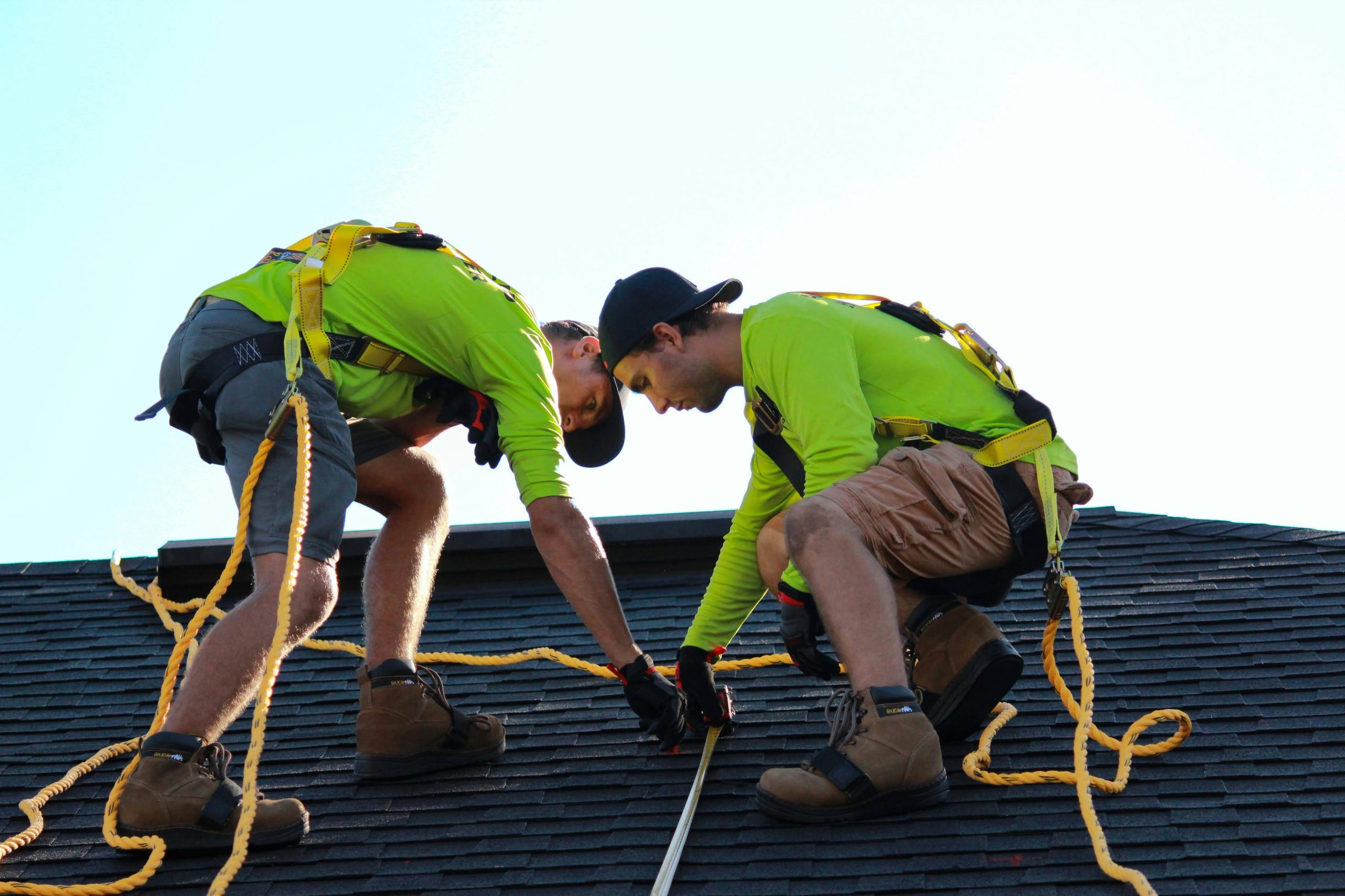
All of this storm activity is translating into real demand pressure across the roofing industry. A March 2026 industry report on U.S. roofing contractors found that the sector’s revenue is projected to reach $92.5 billion in 2026, following five years of steady growth driven largely by an increase in extreme weather events, including a record number of billion-dollar disasters tied to tornadoes and hurricanes. The same report noted that roughly 80 percent of current industry activity now comes from renovation and repair work rather than new construction, reflecting both an aging national housing stock and the sheer volume of storm-related damage that needs addressing.
Taken together with the hail data above, the picture is pretty clear: storm-related roof damage is not slowing down, and neither is the demand for repairs. This matters for homeowners in a very practical way. As more people compete for contractor availability after major storms, scheduling delays become more common, material costs can fluctuate, and the risk of encountering rushed or low-quality repair work increases. This is exactly why choosing the right roofing professionals matters so much, especially in the aftermath of a significant weather event when demand spikes and not every contractor knocking on your door is operating in good faith. Taking the time to vet credentials, check reviews, and get a written estimate before committing to repairs can save you from costly mistakes later.
Warning Signs Your Roof Has Storm Damage
Not every problem is obvious right after a storm passes. Here are signs worth checking for, ideally within a few days of any significant weather event:
- Granules collecting in gutters or at the base of downspouts
- Dark streaks, dents, or discoloration on shingles
- Curling, buckling, or missing shingles anywhere on the roof
- Soft spots or sagging areas when walking the attic (only if it is safe to do so)
- Water stains on ceilings or upper-floor walls
- Daylight visible through the roof deck from inside the attic
- Bent or dented flashing, vents, or gutters
If you notice any of these signs, it is worth getting a professional inspection sooner rather than later. Small issues left unaddressed tend to compound, turning a simple shingle replacement into a much larger and more expensive repair involving decking, insulation, or interior drywall.
It also helps to document what you find. Taking dated photos of any visible damage, both from the ground and, if it is safe, from a ladder, gives you a paper trail that can support an insurance claim later. Many claims get delayed or reduced simply because homeowners cannot clearly show when the damage occurred or how extensive it was immediately after the storm. A quick walk around your property after any major weather event, paired with a few photos, takes only a few minutes but can make a real difference if you end up filing a claim.
Protecting Your Roof Before the Next Storm
While you cannot control the weather, you can control how prepared your roof is when severe weather arrives. A few proactive steps go a long way:
- Schedule a professional roof inspection at least once a year, and again after any major storm
- Keep gutters and downspouts clear so water has a clear path away from the roofline
- Trim overhanging branches that could snap and fall during high winds
- Address minor repairs, like a lifted shingle or cracked sealant, before they become entry points for water
- Consider impact-resistant materials if you live in a region with frequent hail or high winds
- Check attic insulation and ventilation to reduce the risk of ice dams in colder climates
None of these steps guarantee a storm-proof roof, because no such thing exists, but they significantly reduce the odds of catastrophic damage and help you catch smaller issues before they spiral into major repairs.
Wrapping Up
Storms are not going anywhere, and based on the data coming out of 2026, the financial and physical toll they take on roofs is only becoming more significant. Whether it is hail quietly bruising your shingles, wind lifting materials at the edges, or heavy snow stressing your roofline over an entire winter, each type of weather event leaves its own signature of damage. Staying alert to warning signs, keeping up with regular maintenance, and acting quickly after severe weather can make the difference between a manageable repair and a full roof replacement. Your roof works hard for you every single day, so a little attention after the next big storm is more than worth it.