Key Takeaways:
- Only 58% of U.S. homeowners understand how much damage termites can actually cause, and just 45% realize prevention is cheaper than repair.
- Termites cause an estimated $6.8 billion in property damage annually, and most standard homeowners insurance policies don’t cover it.
- Catching an infestation early can keep repair costs in the $556–$1,068 range, while delayed detection can push costs into the thousands or beyond.
- Common warning signs include mud tubes on the foundation, discarded wings near entry points, hollow-sounding wood, frass, sticking doors and windows, and bubbling paint.
- Termites tend to cluster in specific spots: crawl spaces, basements, plumbing penetrations, woodpiles, and any place wood contacts soil or excess moisture.
- Routine habits like clearing mulch from exterior walls, fixing leaks promptly, and ventilating crawl spaces make a real difference in preventing infestations.
- An annual professional inspection is the most reliable way to confirm what’s happening below the surface before damage becomes extensive.
Termites have a talent for staying invisible until they’ve already done real damage. They chew through wood from the inside, so the surface can look completely normal while the structure underneath is falling apart. The good news is that termites almost always leave clues behind, and if you know what to look for, you can catch an infestation while it’s still a minor fix instead of a major renovation. Here’s what the newest data says about the problem, and exactly which signs deserve your attention.
Why Termite Damage Sneaks Up on So Many Homeowners
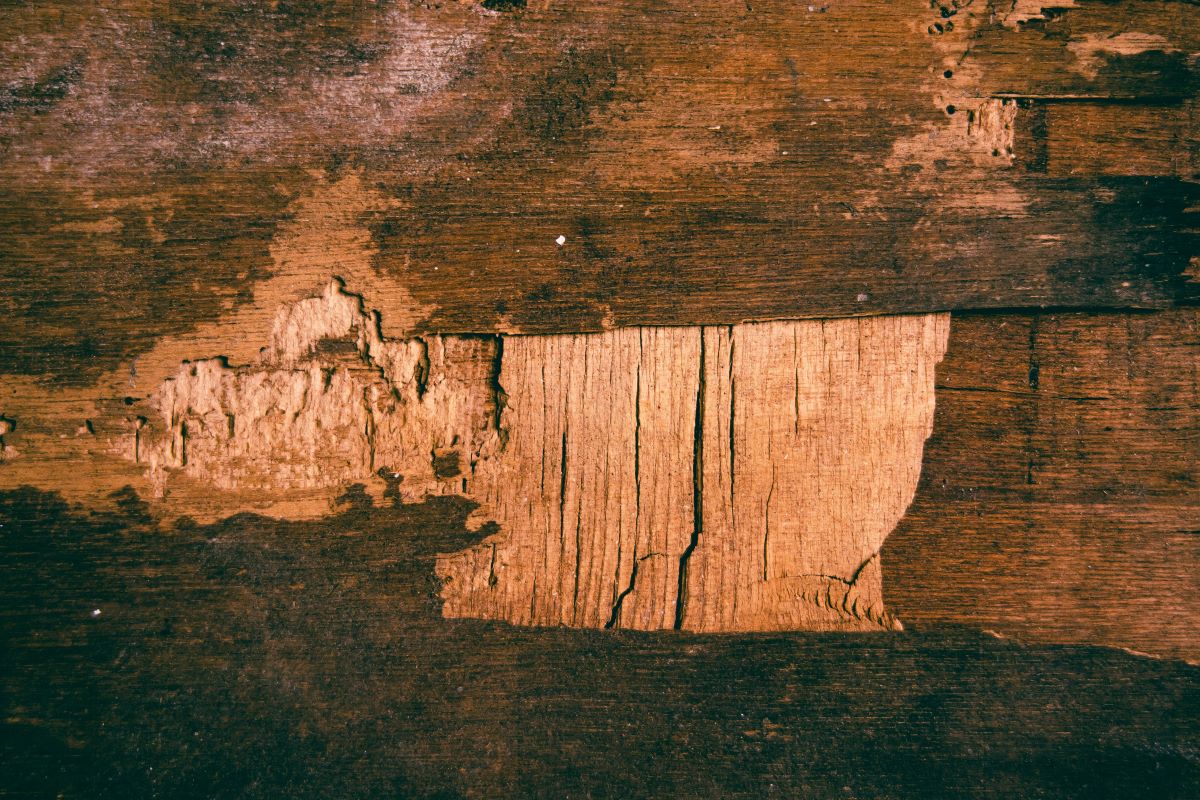
Part of the reason termites do so much damage is that most people simply don’t realize how serious the threat is until it’s sitting in their living room. A national survey on termite awareness from the National Pest Management Association found that only 58 percent of U.S. homeowners understand how much damage termites can actually do to a building. Even more telling, fewer than half of homeowners surveyed, just 45 percent, recognize that preventing termites is cheaper in the long run than repairing what they leave behind.
That gap in awareness has a price tag attached to it. According to the same NPMA release, termites are responsible for an estimated 6.8 billion dollars in property damage across the country every year, and that number is made worse by the fact that most standard homeowners insurance policies flatly exclude termite damage from coverage. In other words, if termites get into your walls or your foundation, you’re likely paying for the fix out of pocket rather than filing a claim.
This is exactly why early detection matters so much. Termites don’t announce themselves with a single dramatic event. They build slowly, quietly, and out of sight, which means the homeowners who catch them early are usually the ones who know the subtle signs rather than waiting for something obvious.
What Termite Repairs Actually Cost in 2026
Numbers help put the stakes into perspective. Recent termite damage repair cost data from Homewyse shows that a basic termite damage repair in January 2026 starts somewhere between 556 and 1,068 dollars per repair job, though the final price swings depending on the region, the scope of the work, and the specific materials involved. That range covers smaller, localized fixes such as patching a damaged section of trim or replacing a small area of subfloor.
The catch is that this lower-end pricing only applies when the damage is caught relatively early. Once termites have had time to tunnel deeper into framing, flooring, or structural supports, repair costs climb dramatically, often into the thousands of dollars, and in severe cases the work can involve replacing load-bearing components. The difference between a few hundred dollars and a five-figure repair bill usually comes down to timing. Spotting the problem in its early stages is what keeps the smaller number the relevant one.
That’s also why a growing number of pest control professionals recommend treating termite inspections the same way you’d treat any other routine safeguard for your property, rather than something you only think about after spotting visible wood damage.
The Early Warning Signs You Shouldn’t Ignore
Termites rarely show themselves directly, since worker termites avoid light and open air. Instead, they leave behind physical evidence that’s easy to miss if you’re not specifically looking for it. Keep an eye out for the following:
- Mud tubes along the foundation. Subterranean termites build pencil-width tunnels made of soil and saliva that run from the ground up exterior walls, foundations, or support piers. These tubes protect them from drying out as they travel between the soil and your home’s wood.
- Discarded wings near windowsills or entry points. When a termite colony matures, it sends out swarmers to start new colonies. After they land, they shed their wings, so small piles of uniform, translucent wings on windowsills, in spiderwebs, or near light fixtures are a strong signal that a colony is active nearby.
- Wood that sounds hollow when tapped. Termites eat wood from the inside, leaving a thin outer layer intact. Tapping on baseboards, wood trim, or structural beams with the handle of a screwdriver and hearing a hollow or papery sound is a classic red flag.
- Frass, or termite droppings. Drywood termites push tiny, pellet-like droppings out of small holes as they tunnel. These often look like piles of sawdust or coffee grounds near baseboards, window frames, or furniture.
- Doors and windows that suddenly stick. As termites tunnel through wood framing, they create moisture and warping that can cause doors and windows to become difficult to open or close, even though nothing else in the house has changed.
- Bubbling, peeling, or discolored paint. This can resemble water damage, but it’s sometimes caused by moisture that termites introduce as they tunnel just beneath painted wood surfaces.
- A faint, musty odor in certain rooms. Large termite colonies can produce a smell similar to mildew, especially in basements, crawl spaces, or closets built along exterior walls.
If you notice even one of these signs, it’s worth investigating further rather than assuming it’s a coincidence. Termites are patient, and by the time two or three of these signs show up together, a colony has likely been active for a while.
Where Termites Like to Hide in Plain Sight
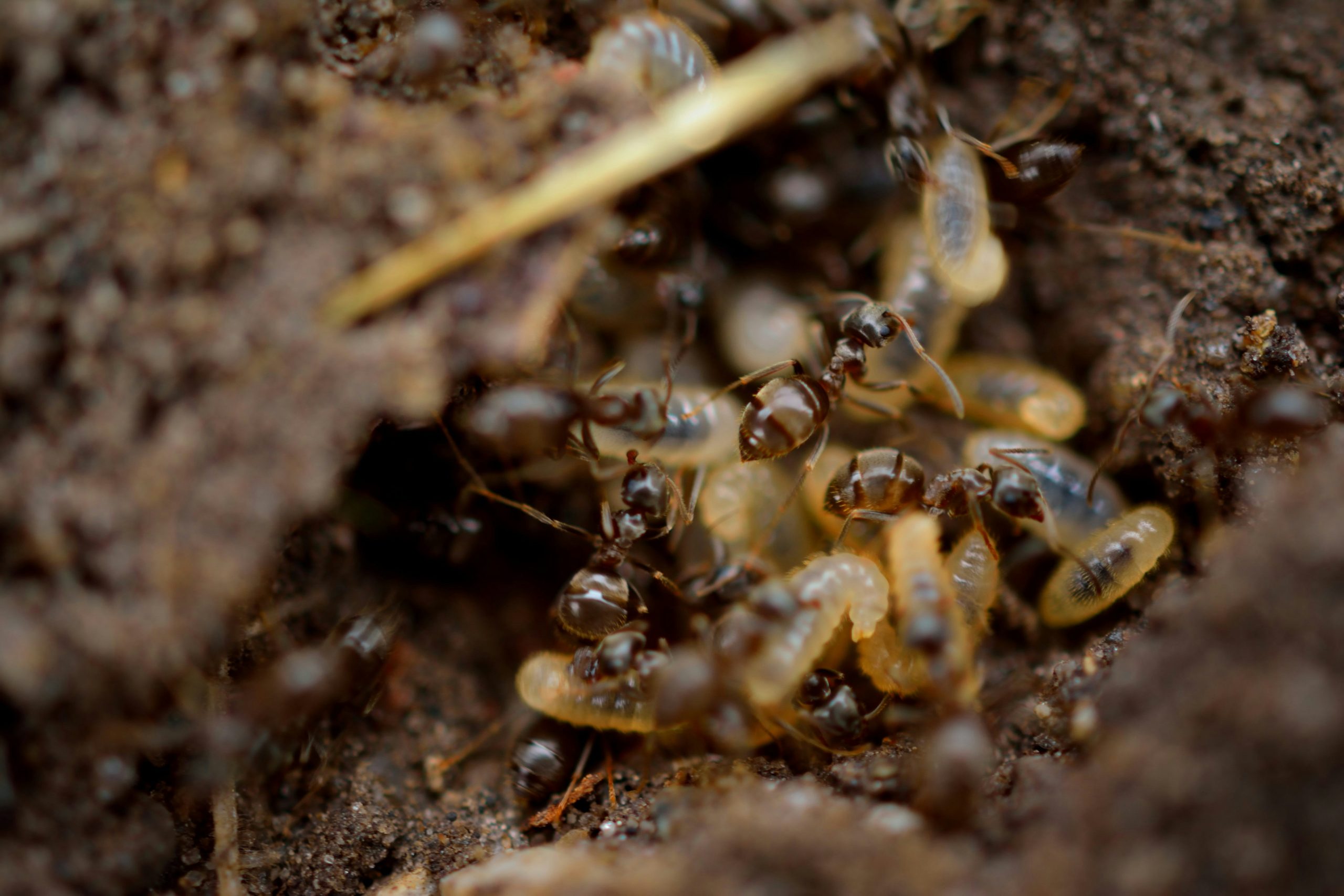
Termites gravitate toward specific conditions, so knowing their favorite hiding spots makes inspections far more effective. Focus your attention on these areas:
- Crawl spaces and basements, especially where wood framing touches soil or concrete directly.
- Around plumbing penetrations, where leaks create the moist environment termites are drawn to.
- Woodpiles, mulch beds, or stacked lumber positioned against exterior walls.
- Attics and roof eaves, particularly in homes with previous water intrusion.
- Wooden fences, decks, and any exterior structure that touches the ground.
- Behind wallpaper or paneling in older homes, where damage can go unnoticed for years.
Termites are drawn to moisture and cellulose, so any part of your property where wood meets soil, water, or poor ventilation deserves a closer look on a regular basis.
Simple Habits That Catch Termites Early
You don’t need to be a pest control expert to stay ahead of an infestation. A handful of consistent habits go a long way toward catching problems while they’re still small and inexpensive to fix. Building termite checks into your essential home maintenance checks is one of the simplest ways to avoid a costly surprise later.
- Walk the perimeter of your home every few months and look for mud tubes, cracked foundation areas, or wood-to-soil contact.
- Keep mulch, firewood, and dense vegetation at least a foot away from your home’s exterior walls.
- Fix leaky faucets, gutters, and downspouts promptly, since excess moisture is one of the biggest draws for termites.
- Ventilate crawl spaces and basements to reduce the humidity that makes them attractive to colonies.
- Trim tree branches and shrubs so they aren’t creating a direct bridge between soil and your roofline or siding.
- Schedule a professional termite inspection annually, even if you haven’t noticed any obvious signs.
None of these steps take much time individually, but done consistently, they dramatically lower the odds that termites get a long, undisturbed head start inside your walls.
When to Call a Professional
If you spot mud tubes, discarded wings, hollow-sounding wood, or frass, it’s time to bring in a licensed pest control professional rather than trying to self-diagnose the extent of the problem. Termite colonies are difficult to fully assess without specialized tools, and an inspector can determine whether you’re dealing with a localized issue or a colony that’s already spread further than the visible signs suggest. They can also identify which termite species you’re dealing with, since treatment approaches differ for subterranean, drywood, and other termite types.
Acting quickly matters more than most homeowners realize. The data makes it clear that catching termites early keeps repair costs in the hundreds of dollars rather than pushing them toward the thousands, and a professional inspection is the fastest way to confirm exactly what you’re dealing with before it grows into something bigger.
Final Thoughts
Termites are patient, quiet, and easy to underestimate, which is exactly what makes them so expensive when they’re left unchecked. Learning to recognize mud tubes, discarded wings, hollow wood, and the other warning signs covered here puts you in a much stronger position than the majority of homeowners who don’t fully grasp the risk until damage is already visible. A little vigilance now, paired with a routine inspection schedule, is a small price to pay compared to the alternative.