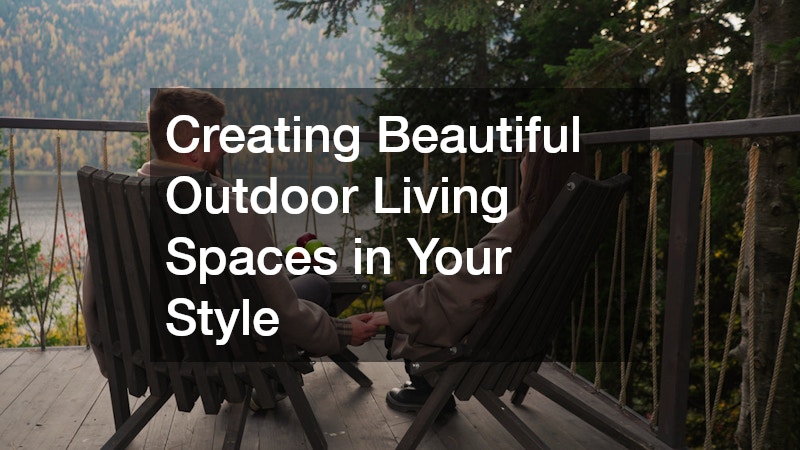
Over the past few decades, the fundamental way homeowners interact with their properties has undergone a dramatic transformation. For generations, backyards were viewed primarily as utility zones reserved for clotheslines, lawnmowers, and the occasional game of catch. Today, the modern residential landscape is treated as a seamless extension of the home’s interior design. Homeowners increasingly seek to expand their functional living environments beyond four exterior walls, creating sophisticated, highly tailored outdoor living spaces that mirror the comfort, elegance, and utility of indoor rooms.
Designing an outdoor space that reflects your distinct style involves far more than simply arranging weather-resistant furniture on a slab of concrete. It requires a holistic, intentional approach that balances structural architecture, organic plant life, weather protection, and personalized aesthetic details. Whether your design preference leans toward sleek modern minimalism, warm rustic farmhouse textures, vibrant coastal living, or tranquil Mediterranean aesthetics, building a personalized outdoor sanctuary requires careful planning and strategic execution.
Designing Multi-Tiered Hardscape Zones for Seamless Flow

The foundational element of any successful outdoor living space is its hardscaping. Hardscape features—such as patios, structural retaining walls, steps, and built-in masonry—provide the permanent physical architecture upon which the rest of your landscape design is constructed. Without strong hardscape foundations, large outdoor yards can feel vast and disorganized, while smaller suburban yards can easily become cluttered. Creating distinct hardscape zones helps establish an intuitive spatial hierarchy that naturally guides movement and defines specific activities.
When planning the layout of your hardscaping elements, it is vital to evaluate how traffic flows between your interior entry points and the exterior environment. High-traffic corridors, such as the path from your kitchen or dining room to an outdoor grill area, must remain wide, direct, and unobstructed. Secondary paths can be designed with gentle curves or step changes to encourage a slower, more relaxed pace as people navigate toward quiet reading nooks, sunken fire pits, or hidden garden features.
- Map Functional Outdoor Zones Based on Daily Usage: Divide your yard into distinct structural sectors that correspond to specific activities. Keep high-activity zones, such as outdoor kitchens and dining terraces, close to the home for convenience, while positioning quiet lounging zones further into the yard.
- Utilize Vertical Elevation Changes to Define Spaces: Incorporate raised decks, terraced stone walls, or sunken seating areas to separate functional zones visually without relying on continuous physical walls that obstruct natural light and garden sightlines.
- Integrate Built-In Masonry Features: Incorporate permanent stone benches, retaining wall seating, and custom planters directly into your hardscape plan to maximize functional floor space and eliminate the need for excess outdoor furniture.
Executing these structural foundations requires technical skill in soil evaluation, grade management, base compaction, and surface drainage. Engaging a certified patio builder early in your design process ensures that structural excavation, gravel base preparation, and slope calculations are performed to exact engineering standards. Proper installation prevents ground settling, water pooling against your home foundation, and surface paver cracking, ensuring your outdoor living room remains stable and level for decades.
Furthermore, when your design includes elevated stone terraces, multi-level decks, or steep structural steps, safety and architectural beauty must work in harmony. Partnering with experienced metal railing contractors allows you to install durable, custom-designed steel, wrought iron, or cable barrier systems. Modern metal railings provide essential safety along elevated edges while offering slender, clean profiles that protect open sightlines across your entire garden.
Elevating Curb Appeal and Walkway Accessibility
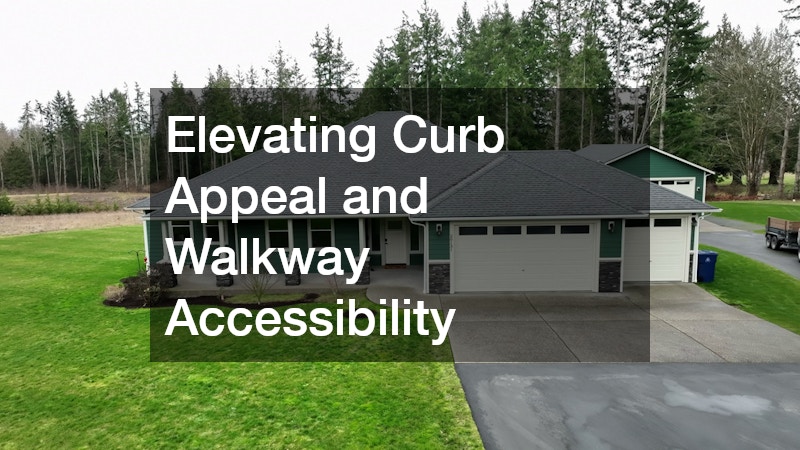
While homeowners often focus the majority of their budget and creative energy on private backyard living areas, the front entrance and surrounding walkways establish the critical initial impression for your entire property. The entry sequence—from the street to your front door, and continuing around the side of the house into your private outdoor living space—sets the aesthetic tone for your residence. Enhancing these transitional spaces guarantees that every arrival feels warm, structured, and visually compelling.
Ergonomics and proportion play a major role in establishing a comfortable entry walkway. A path that feels too narrow creates a subconscious sense of restriction for arriving guests. Primary entrance walkways should maintain a minimum width of four to five feet, allowing two adults to walk comfortably side by side. Additionally, incorporating subtle, low-voltage landscape lighting along ground margins highlights subtle changes in surface texture and steps, ensuring safe, elegant navigation after dark.
- Proportion Walkway Widths to Human Traffic: Ensure main front entry paths measure at least 48 to 60 inches across, while secondary side pathways or garden trails can narrow to 36 inches for a more intimate feel.
- Manage Water Pitch and Runoff Patterns: Pitch all solid hardscape surfaces at a minimum one to two percent gradient away from building structures to prevent water accumulation near exterior walls and foundations during heavy rain.
- Harmonize Driveway and Pathway Edging: Use consistent border materials, such as cobblestones or custom stone soldier courses, to visually tie together vehicle driveways, front steps, and side garden paths.
Achieving flawless transitions between driveways, front porches, and garden walkways requires specialized machinery and expert installation techniques. Contracting professional paving contractors ensures that your stone, brick, or paver pathways are constructed over properly compacted aggregate bases that resist frost heaves and shifting soil. These specialists can also design intricate inlay patterns, custom steps, and durable borders that turn simple pathways into prominent design features.
Driveways represent one of the largest continuous surface areas on any residential property, making their condition and appearance vital to curb appeal. Installing durable asphalt driveways finished with precise masonry borders or stone apron entries gives your property a sleek, clean, and well-maintained appearance. High-quality asphalt provides a resilient, smooth surface capable of supporting heavy vehicle loads and enduring severe winter freeze-thaw cycles while maintaining a sharp, uniform aesthetic that highlights your surrounding landscape.
Cultivating Living Canvas and Canopy Management
If hardscaping represents the solid skeleton of your outdoor living environment, softscaping—the living trees, shrubs, perennials, ground covers, and lawns—provides the warm beating heart. Organic plant materials bring dynamic color, soft textures, natural movement, and pleasant scents to your yard. A skillfully planned softscape balances the hard, structural lines of stone and wood with lush, fluid foliage, creating an inviting space that evolves and matures beautifully throughout the changing seasons.
Successful plant design depends heavily on understanding the growth habits, light requirements, and soil conditions of your specific region. Utilizing a layered planting approach adds visual depth and creates natural privacy barriers that shelter your outdoor living space from surrounding neighbors. Dense evergreen hedges like emerald green arborvitae or columnar junipers establish solid year-round green walls, while deciduous shade trees offer cooling summer canopies and permit warm winter sunlight to penetrate after dropping their leaves.
- Apply the Three-Tier Planting Rule: Structure garden beds by placing tall accent trees or privacy shrubs at the back, medium-height flowering shrubs in the center, and low ground covers or spilling perennials along the front edge.
- Choose Plants for Four-Season Visual Interest: Combine early spring flowering bulbs, vibrant summer perennials, fiery autumn foliage plants, and structured winter evergreens to ensure your yard remains lively year-round.
- Establish Natural Privacy Screens: Use strategic groupings of tall bamboo, ornamental grasses, or layered evergreen shrubs instead of harsh wooden fences to enclose outdoor rooms naturally.
Maintaining a thick, vibrant green lawn around your living areas provides a soft, cool carpet underfoot and a beautiful visual frame for your garden beds. Engaging reliable lawn services ensures that your turf receives consistent core aeration, balanced organic fertilization, targeted weed control, and proper seasonal overseeding. Professional turf maintenance keeps open lawn zones healthy, resilient against foot traffic, and free of compact soil conditions that invite unsightly weed growth.
Simultaneously, caring for mature overhead trees is essential for maintaining safety, balance, and appropriate light levels across your property. Partnering with a qualified tree service allows you to safely prune heavy overhead limbs, clear dead wood, and thin out dense canopy foliage to let sunlight reach understory plantings and patio zones below. Expert tree maintenance keeps your property safe from storm damage while enhancing the longevity and beauty of your landscape’s highest canopy layers.
Installing Durable Overhead Protection for Year-Round Comfort
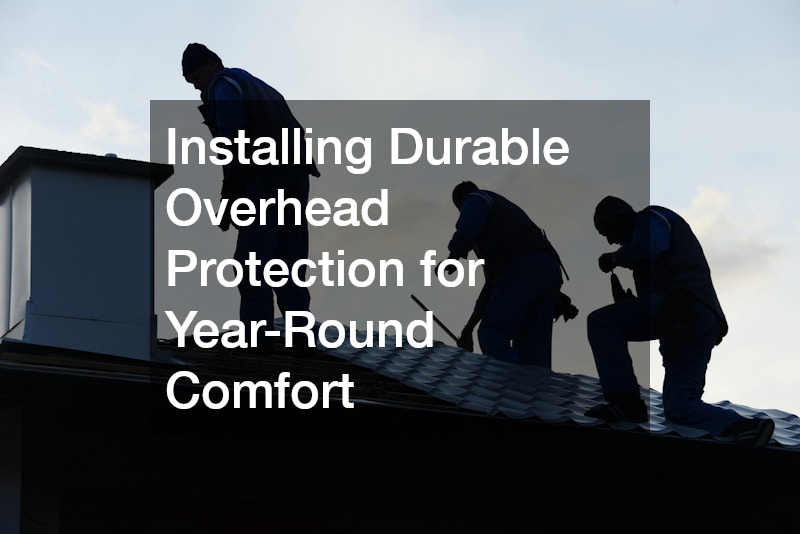
To maximize the return on your investment in an outdoor living space, you must address environmental elements like intense sun, wind, rain, and cold temperatures. Without adequate overhead protection, extreme heat in mid-summer or unexpected rain showers in spring can quickly drive you indoors. Installing robust shade structures, pergolas, pavilions, or full roof additions creates protective sanctuaries that dramatically extend your outdoor living season.
The ideal overhead structure depends on how you plan to use your space and the weather conditions typical of your area. Open-timber pergolas with slatted tops offer light shade and serve as excellent frameworks for climbing flowering vines like wisteria or bougainvillea. However, if you intend to install outdoor televisions, plush upholstered sofas, or complete outdoor kitchens, a fully enclosed, solid-roof pavilion or house-attached roof extension is necessary to keep equipment and furniture dry.
- Integrate Built-In Overhead Climate Control: Equipping solid overhead structures with outdoor-rated ceiling fans, dimmable LED recessed lighting, and radiant infrared heaters ensures comfort during hot summer afternoons and cool fall evenings.
- Match Architectural Pitch and Materials: Design outdoor roof structures with roof pitches, trim details, and support posts that match your main residence, ensuring the structure looks original to the home.
- Incorporate Retractable Side Shades: Add motorized drop-down weather shades or outdoor curtains along open sides to block low afternoon sun angles and cold wind gusts.
Constructing a solid, weatherproof shelter tied directly to your primary residence involves complex engineering and structural framing. Hiring a licensed roofing company guarantees that the new roof addition is properly tied into your home’s existing structural trusses, preventing leaks, structural sagging, and water infiltration. Professional builders ensure that all load-bearing posts, footings, and structural beams strictly adhere to local building codes.
Furthermore, securing comprehensive roofing services ensures that high-grade weatherproofing membranes, ice and water shields, flashing details, and seamless gutter systems are correctly installed. Effective water management off the overhead roof redirects heavy rain away from your outdoor kitchen equipment, dining tables, and hardscape foundations, keeping your physical space pristine and dry during severe summer downpours.
Adding Custom Color Palettes and Professional Finishing Touches
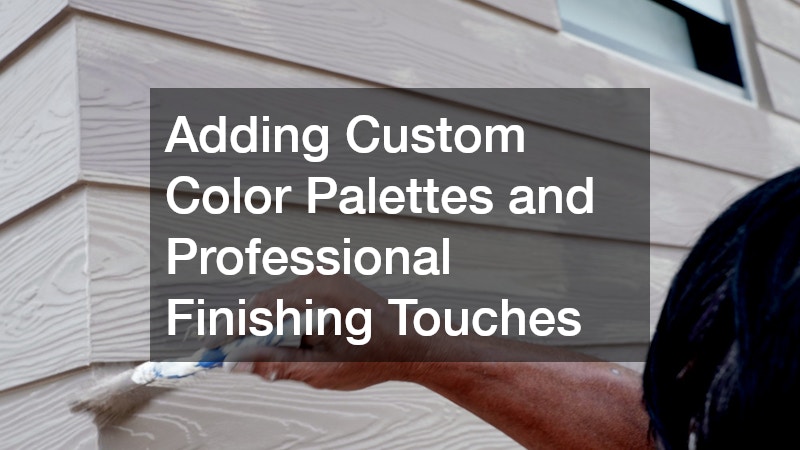
The final phase in creating an extraordinary outdoor living space involves introducing custom color schemes, atmospheric lighting, and curated decorative furnishings. These finishing touches infuse your personality into the environment, transforming functional hardscapes and plant beds into an expressive, unified outdoor retreat. Finishes, colors, and textures should be chosen with the same care and attention to detail as interior living rooms.
Color choices have a profound impact on spatial perception and emotional mood outdoors. Bold, dark colors such as deep charcoal, midnight blue, or dark bronze applied to privacy walls, pergolas, and accent structures create a striking, high-contrast backdrop that makes green foliage and bright flowers pop visually. Conversely, soft neutral tones, warm wood stains, and creamy whites evoke a coastal, Scandinavian, or Mediterranean feel that reflects natural sunlight and creates an airy mood.
- Layer Multi-Level Outdoor Lighting: Combine subtle low-voltage LED path lights, dramatic uplighting on mature tree trunks, ambient string lights, and task lighting over grilling stations to build a warm, layered evening atmosphere.
- Choose Performance Outdoor Textiles: Choose high-performance, solution-dyed acrylic fabrics for patio cushions, accent pillows, and rug coverings to resist water absorption, mildew, and solar fading over time.
- Integrate Custom Fire and Water Elements: Feature gas fire tables, wood-burning fireplaces, or trickling water fountains as visual centerpieces that draw family and friends together during social gatherings.
Applying long-lasting, weather-resistant finishes to wooden fences, composite decks, masonry accent walls, and home siding demands careful prep work and premium materials. Engaging experienced painting contractors ensures that all wooden and masonry surfaces are power washed, thoroughly sanded, primed with specialized sealers, and coated with durable exterior paints or rich stains designed to resist UV rays and moisture penetration.
To harmonize all these intricate components—from hardscaping foundations and lush softscapes to custom lighting, color themes, and irrigation—working with a reputable landscaping company is essential. A comprehensive landscape design firm coordinates every phase of construction, manages specialized trade contractors, and executes a unified master plan, ensuring your personal vision is realized cleanly, efficiently, and beautifully.
Transforming your backyard into a custom, highly functional outdoor living space in your personal style is one of the most fulfilling home improvement projects you can complete. By intentionally balancing durable hardscape foundations, vibrant softscape foliage, year-round overhead shelter, and personalized color accents, you expand your home’s functional living area while establishing a private sanctuary for relaxation and social gatherings.
Remember that building your ideal outdoor retreat does not need to happen all at once. Adopting a structured, phased master plan allows you to establish essential hardscape foundations and shelter structures first, while adding detailed plant layers, custom lighting, and decorative finishes over subsequent seasons as your budget allows. Focus on choosing high-quality materials and practical layouts tailored specifically to how you and your family love to live. With thoughtful planning and expert execution, your custom outdoor living space will deliver lasting beauty, comfort, and enjoyment for many years to come.